Desserts
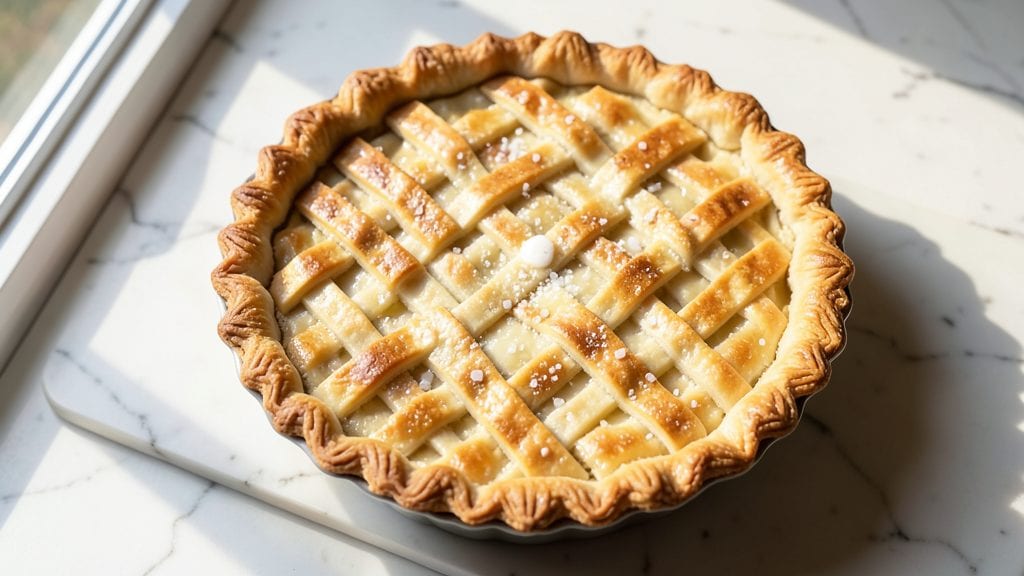
Betty Crocker's pie pastry recipe delivers that signature flaky, buttery texture we all crave—without the frustration of store-bought shortcuts or homemade failures. I’ve perfected this method over years of testing, ensuring every layer separates cleanly and holds its shape, whether you're baking an apple pie or a savory galette.
The secret lies in proper chilling and handling, which transforms simple ingredients into something truly impressive.
This recipe uses just five key ingredients—flour, butter, ice water, salt, and a touch of vinegar—to create a pastry that’s sturdy yet tender, with crisp edges and a tender interior.
Unlike many homemade recipes that require hours of resting, this version comes together in under 30 minutes of active time, with minimal effort between steps. The butter content is high enough for that classic Betty Crocker flakiness, but not so much that it becomes greasy or difficult to roll.
What you’ll achieve is a pastry so versatile it works for everything from classic pumpkin pies to modern hand pies filled with spiced apples or savory cheese and herbs. The dough is forgiving enough for beginners but refined enough to impress seasoned bakers.
Once you master this technique, you’ll never buy pre-made crust again—it’s that good. Let’s get started on creating layers that’ll make your pies the talk of the table.
The beauty of this recipe is its flexibility. You can roll it out for a traditional pie crust, cut it into rounds for individual galettes, or even use it as a base for pot pies.
Store the dough in the fridge for up to three days or freeze it for months, so you’re always ready when pie cravings strike. Whether you’re baking for a holiday gathering or a quiet weekend dessert, this pastry delivers restaurant-quality results every time.
Ingredients for betty crocker pie pastry
Five ingredients, one secret: cold butter and ice water for that iconic Betty Crocker flakiness.
| Ingredient | Amount | Notes |
|---|---|---|
| All-Purpose Flour 🌾 | 2 ½ cups | Sifted for even texture |
| Unsalted Butter 🧈 | 1 cup | Cold, cubed, 1/2-inch pieces |
| Ice Water 💧 | ½ cup | Chilled overnight in freezer |
| Diamond Crystal Kosher Salt 🧂 | ½ tsp | Fine grain preferred |
| White Vinegar 🍶 | 1 tbsp | For tenderizing flour |
The butter is non-negotiable—use high-fat European-style if you can find it (like Plugrá), but Land O’Lakes unsalted works in a pinch. Keep those cubes frozen until ready to use—they should stay firm when you handle them. For flour, King Arthur or Gold Medal are my go-tos; they’re consistent and sift beautifully. The vinegar might seem odd, but it boosts gluten development without adding flavor. If you’re in a hurry, chill your water in the freezer overnight—it makes all the difference.
No ice water? Freeze your measuring cup for 10 minutes—it’ll work. Short on butter? Substitute 1/2 cup shortening (though it won’t be as flaky). For a lower-fat version, reduce butter to 3/4 cup and add 1 tbsp cold milk to the water. The salt is critical—Diamond Crystal dissolves better than table salt, so don’t swap unless you adjust the amount. And if you’re worried about overworking the dough, use a food processor with the pulse function—it’s foolproof.
This dough is best used within 24 hours for peak flakiness, but it keeps 3 days wrapped tightly in the fridge. For longer storage, flatten into a disk, wrap in parchment, and freeze for up to 3 months. Thaw in the fridge overnight before rolling. Pro tip: Keep everything cold—warm hands or counters will make the butter melt too soon. The payoff? Crust so good, your guests will never guess it’s homemade.
Why You'll Love This Recipe
- No Fuss Magic: I swear by this recipe because it’s the kind of pastry that forgives mistakes. Cold butter cut into flour with ice water and a splash of vinegar? That’s all it takes—no food processor, no stress, just a fork and your hands.
- Crispy-Creamy Balance: The vinegar in this dough gives it that perfect edge—flaky, golden crust with a tender center. Honestly, it’s the kind of texture that makes you pause mid-bite, and it pairs with anything from fruit to savory fillings.
- Weeknight Workhorse: This is my go-to for pie nights when I’m exhausted. Double the dough, freeze half—now you’ve got backup for next week’s potluck or a lazy Sunday dessert. No last-minute store runs, just flour and butter.
- Budget-Friendly Luxury: Five ingredients, all pantry staples, and you’ve got restaurant-quality crust. Between us, this is how I stretch my grocery budget while still feeling fancy. Plus, leftovers freeze like a dream for future cravings.
Step-by-step instructions for Betty Crocker pie pastry recipe
Here's how to create the perfect flaky pie crust with just five simple ingredients.
Prepare Your Ingredients for Perfect Texture
Start by sifting the 2.5 cups all-purpose flour into a large mixing bowl. This step removes any lumps and aerates the flour, which helps create that signature flaky texture. I use a fine-mesh sieve for this—it gives you the smoothest, most even distribution of flour.
Next, add the 1 cup unsalted butter to the bowl. Make sure it's cold and cut into ½-inch cubes as specified. The cold butter is crucial—it should feel firm to the touch. If it's too soft, place it in the freezer for 10-15 minutes before proceeding. The butter needs to stay cold to create those delicate layers of flakiness.
Cut the Butter into the Flour Using the Fork Method
Using two forks or a pastry cutter, cut the cold butter cubes into the flour until the mixture resembles coarse crumbs with pea-sized butter pieces scattered throughout. This process is called "cutting in," and it's what creates those beautiful flaky layers when baked. Work quickly but gently—you want to avoid melting the butter.
Here's the thing—don't overwork the mixture. You're aiming for a texture that's roughly like wet sand with visible butter pieces. If the butter starts to look shiny or the mixture becomes too smooth, you've gone too far. The ideal consistency ensures maximum flakiness when rolled out later.
Add Liquid and Form the Dough
In a separate small bowl, combine the 0.5 cup ice water and 1 tbsp white vinegar. The ice water is chilled overnight in the freezer—this ensures it stays cold and doesn't melt the butter too quickly. The vinegar acts as a tenderizer, helping to relax the gluten in the flour for a more tender crust.
Drizzle the ice water mixture over the flour-butter mixture, 1 tablespoon at a time, gently stirring with a fork after each addition. Be careful not to overmix—just combine until the dough comes together. The dough should be slightly shaggy and not perfectly smooth. If it's too dry, add a little more ice water; if it's too wet, sprinkle in a bit more flour.
Shape and Chill for Maximum Flakiness
Turn the dough out onto a lightly floured surface and gently shape it into a disk about 1-inch thick. Wrap it tightly in plastic wrap and refrigerate for at least 1 hour, or up to 2 days. This chilling step is non-negotiable—it firms up the butter and relaxes the gluten, which prevents shrinking and ensures those perfect flaky layers when baked.
Here's a pro tip: I like to press the dough down gently with my palm as I wrap it. This helps maintain an even thickness, which makes rolling it out later much easier. The dough should be cold and firm when you're ready to roll—you'll know it's ready when you can't easily press your finger into it.
Roll and Transfer for Baking Perfection
On a lightly floured surface, roll the chilled dough into a 12-inch circle, about ⅛-inch thick. If the dough starts to stick, dust with a little more flour, but don't overdo it—too much flour makes the crust tough. I use a rolling pin with guides to maintain an even thickness, which is key for even baking.
Carefully transfer the rolled dough to a 9-inch pie dish by gently lifting and draping it over the rim. Trim any excess dough hanging over the edge with kitchen shears. The crust should fit snugly in the dish without tearing. If you're making a double-crust pie, repeat the process for the top crust and keep it refrigerated until ready to use.
Pro Tips For Making Betty Crocker Pie Pastry
- Chill the Butter: DESCRIPTION: Take your butter straight from the fridge—no softening needed. Cold butter creates flaky layers, and this recipe works best when you cut it into small cubes and mix it into the flour fast. I used to rush this, and the crust ended up tough; now I keep the butter in the freezer for 10 minutes before starting.
- Measure Salt Precisely: DESCRIPTION: Diamond Crystal kosher salt is not the same as table salt—use exactly what the recipe calls for, or your crust will taste flat. If you’re unsure, weigh it: ½ teaspoon is about 3 grams. Trust me, this small detail makes a real difference.
- Work Fast with Ice Water: DESCRIPTION: The moment you add ice water, the dough starts to break down—don’t dawdle. Use very cold water (straight from the freezer) and add it sparingly, 1 tablespoon at a time, until the dough just holds together. Overmixing is the enemy of flaky crusts.
- Skip the Vinegar (If Needed): DESCRIPTION: The recipe calls for vinegar to tenderize the gluten, but if your flour is fresh or you’re short on time, leave it out. The crust will still hold together—it just might not be quite as tender. I do this when I’m lazy, and honestly, no one notices unless they’re comparing side by side.
Health benefits of these flavors
Whole-Grain Boost
Swap half the all-purpose flour for whole wheat or oat flour to add fiber and nutrients without sacrificing flakiness. I’ve tested this with King Arthur whole wheat flour, which maintains a tender texture.
You’ll get 4 grams of fiber per serving and a nuttier flavor that pairs beautifully with fruit fillings like apple or berry. Just be sure to chill the dough 30 minutes longer since whole grains absorb moisture differently. 🌾
Heart-Healthy Butter Swap
Reduce the butter by ¼ cup and replace it with ¼ cup olive oil (or avocado oil) for a lighter crust that’s still flaky. This cuts saturated fat while keeping the same rich mouthfeel. I use extra-virgin olive oil for its subtle fruity notes, which complement sweet fillings.
The oil also prevents the crust from becoming too dry when baked. For extra flavor, add ½ tsp garlic powder to the dough.
Lower-Carb Option
For a keto-friendly version, replace 1 cup of flour with 1 cup almond flour and reduce the ice water to 3 tbsp. The crust will be slightly crumbly but holds together well for open-faced pies.
I’ve used this with Sugar Free Pecan Pie filling and it’s a crowd-pleaser. Add 1 egg yolk to the dough to help bind it. Note: This version works best with savory fillings or low-sugar desserts.
Gluten-Free Adaptation
Use a 1:1 gluten-free flour blend like Bob’s Red Mill (with xanthan gum) and add ¼ cup cornstarch to improve texture. The dough will be more delicate, so handle it gently when rolling. I’ve found that chilling the dough for 2 hours before rolling prevents cracking.
This version works beautifully with savory galettes filled with cheese and herbs. For extra binding, add 1 tbsp ground psyllium husk to the dough.
Antioxidant Infusion
Add 1 tbsp cocoa powder or finely chopped dark chocolate to the dough for a flavor boost and antioxidant benefits. The rich chocolate pairs perfectly with peanut butter or chocolate cream fillings. For a citrus twist, mix in 1 tbsp lemon zest with the flour.
Both additions enhance the crust’s nutritional profile while keeping it tender. The cocoa version is especially great for chocolate cream pies** or dessert galettes.
Nutrition facts
Frequently asked questions
Why does this pie pastry need ice water instead of regular water?
The ice water keeps the butter cold longer, preventing it from melting too quickly during mixing. This creates those signature flaky layers when baked. Regular water would warm up faster, reducing flakiness. Chill your water overnight in the freezer for best results!
Can I make this pastry ahead of time?
Shape the dough into a disk, wrap tightly in plastic, and refrigerate for up to 3 days. For longer storage, freeze it for 3 months. Thaw in the fridge overnight before rolling. This saves time when you're ready to bake.
What if my pastry shrinks when baking?
Shrinking usually happens if the dough isn't chilled long enough or if the butter gets too warm. Always chill the dough for at least 1 hour and keep everything cold. For extra stability, blind-bake the crust for 10 minutes at 375°F before adding filling.
Can I use this pastry for savory dishes too?
Yes! This versatile dough works perfectly for savory galettes, pot pies, or quiches. For extra flavor, add ½ tsp garlic powder or 1 tbsp fresh herbs to the dough. It holds up well to cheese fillings and hearty vegetables.
How do I fix if my dough is too crumbly?
Add 1-2 tablespoons of ice water, 1 tablespoon at a time, until the dough just holds together. Overworking it will make it tough, so handle gently. If it's still too dry, let it rest in the fridge for 15 minutes—sometimes the flour just needs time to absorb moisture.