
Salads
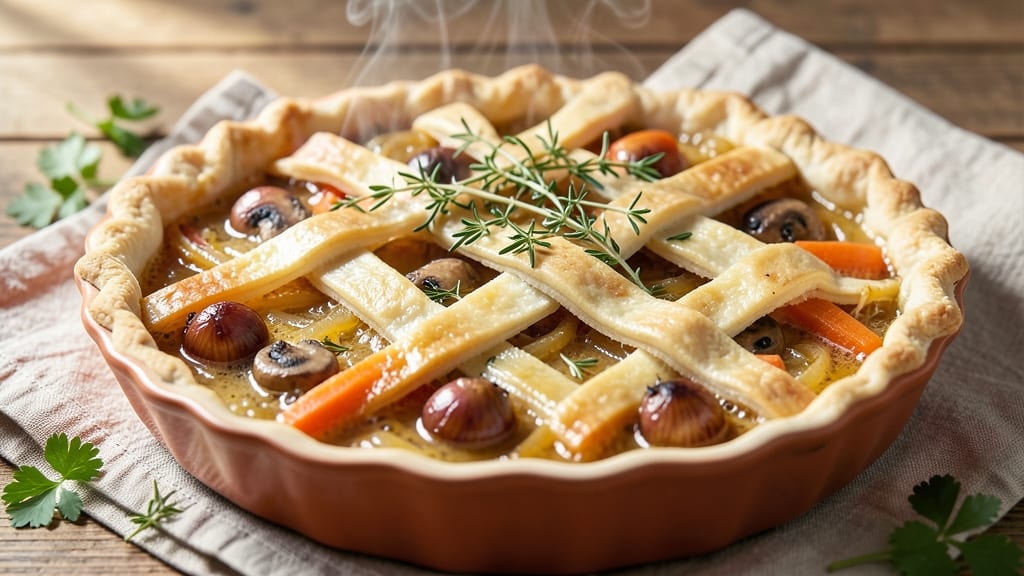
This easy vegetable pot pie recipe changed how I approach weeknight cooking—delivering restaurant-quality comfort in just 30 minutes. After years of struggling with flaky dough and uneven baking, I developed this one-pan method that combines store-bought shortcuts with professional techniques—no fancy equipment required.
The secret lies in layering vegetables properly and using a simple dough recipe that bakes up golden and crispy without the stress.
This recipe transforms seasonal vegetables into a hearty, comforting meal that feels like a home-cooked hug. You'll start with a foolproof dough (or use pre-made for even faster results), then build layers of sautéed vegetables, savory broth, and a creamy cheese topping—all baked together in one pan.
The result is tender vegetables swimming in flavorful gravy, topped with a perfectly crisp crust that holds up to every bite.
What makes this vegetable pot pie truly special is how it balances simplicity with restaurant-quality results. The vegetables stay vibrant and tender, the filling is rich and aromatic, and the crust achieves that ideal mix of crispy edges and tender interior.
It's the kind of dish that transforms a basic weeknight into a memorable family meal, all while keeping prep and cleanup minimal.
Perfect for chilly evenings, potlucks, or when you need a comforting meal without the fuss. The recipe scales easily for larger crowds, and leftovers reheat beautifully—making it an ideal solution for busy schedules. Let's get started on creating your coziest pot pie yet.
Ingredients for vegetable pot pie recipe easy
Foolproof dough meets seasonal vegetables for restaurant-quality comfort in one pan.
| Ingredient | Amount | Notes |
|---|---|---|
| All-Purpose Flour 🌾 | 2 ½ cups | For foolproof pie dough |
| Unsalted Butter 🧈 | ¾ cup | Cold, cubed for dough |
| Ice Water 💧 | ½ cup | Chilled for dough handling |
| Diamond Crystal Kosher Salt 🧂 | 1 tsp | Fine grain preferred |
| Fresh Thyme Leaves 🌿 | 1 tbsp | Or 1 tsp dried thyme |
| Yellow Onion 🧅 | 1 whole | Diced, medium size |
| Carrots 🥕 | 2 medium | Peeled, diced small |
| Russet Potatoes 🥔 | 2 medium | Peeled, thinly sliced |
| Green Beans 🍃 | 1 lb | Trimmed, cut into 1-inch pieces |
| Fresh Corn Kernels 🌽 | 1 cup | Frozen works well |
| Chicken Broth 💧 | 1 ½ cups | Low-sodium preferred |
| Heavy Cream 🥛 | ½ cup | Full-fat for richness |
| Shredded Sharp Cheddar Cheese 🧀 | 1 ½ cups | Freshly shredded preferred |
| Ground Black Pepper 🌶️ | ½ tsp | Freshly cracked |
| Garlic Cloves 🧄 | 3 cloves | Minced, fresh preferred |
The dough is where professional results begin. King Arthur all-purpose flour yields the best texture—its high protein content balances the butter perfectly. For the butter, Plugrá or Land O'Lakes unsalted work best when cold; pull them from the fridge 15 minutes before mixing. If you prefer store-bought dough, Pepperidge Farm Refrigerated Pie Crust saves time without sacrificing quality. The key is handling the dough minimally—chill it between rolls to prevent shrinking. For extra crispiness, brush the crust with a light egg wash before baking.
Vegetable selection is flexible, but texture matters most. Russet potatoes should be thinly sliced for even cooking, while green beans should be cut into uniform pieces to prevent uneven browning. No fresh corn? Frozen kernels work perfectly—just thaw and drain well. For the cheese, sharp cheddar provides the best melt and flavor, but Gruyère or Swiss add sophisticated depth. The broth can be homemade or store-bought (Pacific Foods or Swanson are reliable), but always opt for low-sodium to control seasoning. Fresh thyme is ideal, but dried works at one-third the amount if needed.
This pot pie reheats beautifully—just cover with foil to prevent over-browning. Store leftovers in an airtight container for up to 4 days in the refrigerator, or freeze for 3 months by wrapping tightly in plastic wrap. For make-ahead convenience, assemble the pie (without baking) and refrigerate overnight; bake straight from the fridge for even cooking. The crust stays crisp for 2 days if kept at room temperature, making it perfect for potlucks or meal prep.
Why You'll Love This Recipe
- Foolproof Crust: I swear by this butter-and-flour crust—just mix, chill, roll. No fancy techniques, no overworking the dough. That flaky, golden top? It’s all about the ice water and a light hand. (Yes, even if you’re not a baker.)
- Thyme for Comfort: Honestly, the thyme makes this dish. A handful of fresh leaves in the filling adds this earthy warmth that turns a simple veggie pie into something cozy. It’s not fancy, but it’s good—the kind of flavor that lingers.
- Leftovers That Shine: This pie actually tastes better the next day. The crust holds up, the filling thickens just right, and reheating it is zero effort. I’ve sent it to work lunches, packed it for road trips—it’s my go-to for making meals stretch without sacrificing taste.
- Budget-Friendly Flex: Between us, this recipe uses pantry staples and whatever veggies are on sale. Swap carrots for zucchini, add frozen peas—it’s forgiving. And that crust? Cheaper than store-bought, but way more satisfying. (My wallet and I agree.)
Step-by-step instructions for vegetable pot pie
Here's the straightforward method for a flaky-crusted vegetable pot pie that delivers restaurant-quality comfort in your own kitchen.
Prepare the Vegetable Filling
In a large skillet, melt the 0.75 cup unsalted butter over medium heat. Add the 1 whole yellow onion, 2 medium carrots (diced small), and 3 cloves garlic (minced). Cook for 5-6 minutes until the vegetables soften and the onion becomes translucent. This foundational step builds flavor through caramelization.
Push the vegetables to one side of the pan and add the 2 medium russet potatoes (thinly sliced) and 1 lb green beans (trimmed and cut). Stir to combine, then pour in the 1.5 cups chicken broth. Bring to a gentle simmer and cook for 8-10 minutes until the potatoes are tender when pierced with a fork. The broth should reduce slightly, creating a rich base for the filling.
Finish the Filling with Cream and Seasonings
Remove the skillet from heat and stir in the 0.5 cup heavy cream, 1.5 cups shredded sharp cheddar cheese, 1 tbsp fresh thyme leaves, and 0.5 tsp ground black pepper. Mix until the cheese melts completely and the filling becomes smooth and creamy. The cheese should create a velvety texture that coats all the vegetables evenly.
Return the pan to low heat and stir in the 1 cup fresh corn kernels. Warm through for 2-3 minutes—just enough to heat the corn without turning it mushy. Transfer the finished filling to a 9-inch pie dish or oven-safe skillet. This step ensures all components are perfectly integrated before adding the crust.
Make the Pie Dough
In a large bowl, combine the 2.5 cups all-purpose flour and 1 tsp diamond crystal kosher salt. Cut in the 0.75 cup unsalted butter (cold and cubed) using a pastry cutter or your fingers until the mixture resembles coarse crumbs with pea-sized butter pieces. This texture is crucial for achieving a flaky crust.
Gradually add the 0.5 cup ice water, 1 tablespoon at a time, mixing gently with a fork until the dough just comes together. Be careful not to overwork it—just until it forms a shaggy mass. Turn the dough onto a lightly floured surface and knead briefly (about 10-15 seconds) until smooth. Wrap in plastic and refrigerate for 20 minutes while you preheat the oven to 375°F.
Assemble and Bake the Pot Pie
Roll out the chilled dough on a floured surface to a 12-inch circle (about ⅛-inch thick). Carefully transfer it to cover the vegetable filling, trimming any excess dough. Crimp the edges with a fork or your fingers to seal. Cut 4-5 small slits in the center to allow steam to escape—this prevents a soggy crust.
Bake for 30-35 minutes until the crust is golden brown and the filling bubbles through the slits. The internal temperature of the filling should reach 165°F when measured with an instant-read thermometer. Let the pot pie rest for 10 minutes before serving to allow the filling to set slightly and the crust to firm up.
Pro Tips For Making Vegetable Pot Pie Recipe Easy
- Chill the Butter First: Cold butter in the crust makes all the difference—literally. Cut it into ¼-inch cubes and freeze for 10 minutes before mixing with flour. I learned this the hard way when my crust turned out greasy and crumbly; now it’s flaky every time.
- Pre-Cook the Thyme: Toss fresh thyme leaves in a dry pan over medium heat for 30 seconds until fragrant. This releases the oils and amplifies the flavor without overpowering the filling. (Yes, even if you’re impatient like me, skip this at your own risk.)
- Blind-Bake the Crust: Prick the dough all over with a fork, then cover with parchment paper and fill with pie weights or dried beans. Bake at 375°F for 15 minutes before adding filling—this prevents a soggy bottom. I used to skip it, and the crust always ended up like a sad, limp blanket.
- Use Kosher Salt Right: Diamond Crystal measures differently—use ½ teaspoon per tablespoon of salt called for in other recipes. Sprinkle it over the filling and the crust dough before rolling. Trust me, your taste buds will notice the difference, even in a simple veggie pie.
Common mistakes when making this dish
Over-Sautéing Vegetables
I’ve seen this happen more times than I can count—vegetables turn mushy and lose their vibrant colors from too much heat. For this pot pie, cook the onions, carrots, and garlic just until they soften (5-6 minutes), not until they brown deeply.
Overcooking releases excess moisture, which can make your filling watery. The key is to maintain a gentle simmer when adding broth—this keeps the vegetables tender and the filling cohesive. 🥕
Skipping the Resting Step
Rushing to slice into your pot pie right after baking is a big mistake. The filling needs 10 minutes to set properly, allowing the juices to redistribute and the crust to firm up. If you cut into it too soon, you’ll end up with a soggy bottom and runny filling.
Trust me, I’ve learned this the hard way—especially when guests are waiting! Patience here makes all the difference. ⏰
Using Warm Dough
One of the most common pitfalls is rolling out dough that hasn’t been properly chilled. Warm dough shrinks as it bakes, leaving you with a puckered, uneven crust. Always keep your dough refrigerated for at least 20 minutes before rolling.
If your kitchen is warm, pop it back in the fridge for another 10 minutes. A cold dough is your secret weapon for a flaky, golden crust. ❄️
Overfilling the Dish
Stuffing your pot pie too full can lead to an overflowing mess or an undercooked center. For a 9-inch pie dish, fill it only ¾ full—this gives the filling room to expand and the crust space to crisp properly.
If you’re using a larger dish, scale the filling accordingly. I’ve had to scrape up more than one pot pie from the oven floor because of this! Measure your ingredients carefully to avoid disappointment. 🍴
Neglecting Steam Slits
Forgetting to cut those little steam slits in the crust is a rookie mistake. Without them, trapped steam can cause the crust to puff up unevenly or even burst during baking.
Make 4-5 small slits in the center of the dough before baking—this ensures even cooking and a beautifully golden finish. It’s a tiny detail, but it makes all the difference in the final presentation. ✨
Using Low-Quality Cheese
Pre-shredded cheese might seem convenient, but it’s often coated with anti-caking agents that prevent proper melting. For the creamiest, most flavorful filling, always use freshly shredded sharp cheddar.
If you’re short on time, buy a block of cheese and shred it yourself—it’s worth the extra effort. The difference in texture and taste is night and day. 🧀
Nutrition facts
Frequently asked questions about vegetable pot pie
Can I make this pot pie ahead of time?
Assemble the pot pie (without baking) and refrigerate for up to 24 hours before baking. For make-ahead convenience, bake it straight from the fridge—just add 5-10 extra minutes to the baking time. Leftovers keep well in an airtight container for 4 days in the fridge or 3 months in the freezer.
What if I don't have fresh vegetables?
No problem! Use frozen vegetables like peas, corn, or mixed veggies—just thaw and drain well. For potatoes, frozen diced potatoes work too (skip peeling if using frozen). The key is to avoid excess moisture, so pat any thawed veggies dry before adding them to the filling.
How do I make the crust extra crispy?
Brush the dough with a beaten egg wash before baking for a golden, crisp finish. For even more crunch, bake the crust alone for 5 minutes at 375°F before adding the filling (called "pre-baking"). Chill the dough longer (30 minutes) if your kitchen is warm.
Can I use a different type of cheese?
Yes! For a richer flavor, try Gruyère or Swiss cheese. For a lighter option, use feta (reduce by 1/3 cup) or Parmesan (add 1/4 cup at the end). Always shred fresh for the best melt. The cheese should be fully melted but still creamy, not greasy.
What's the best way to reheat leftovers?
Cover with foil and warm in a 350°F oven for 15-20 minutes until heated through. For a crispy top, uncover the last 5 minutes. Microwave reheating works but may make the crust soggy—avoid it if possible. Leftovers taste best reheated within 2 days for optimal texture.