
Desserts
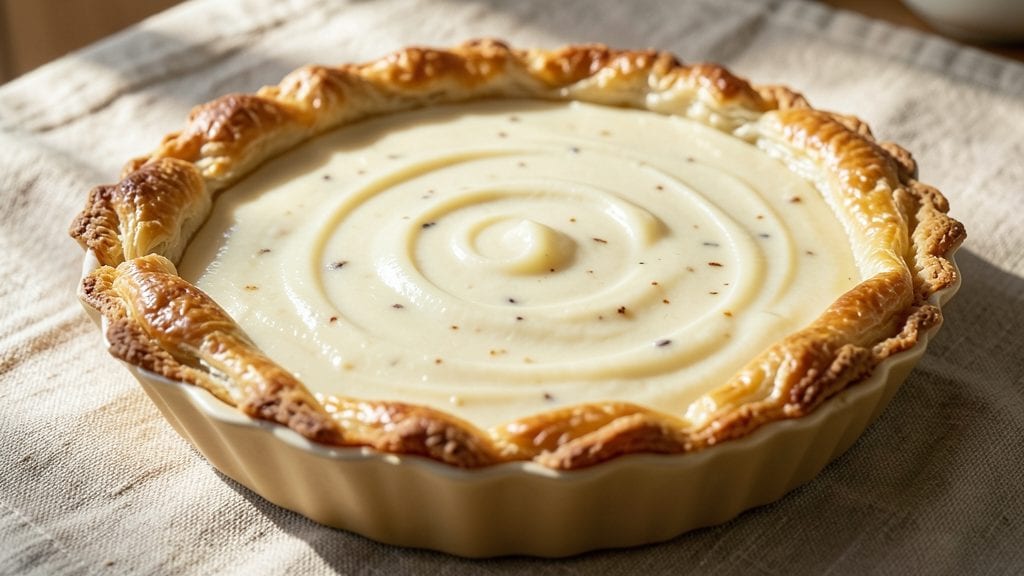
Joanna Gaines' French silk pie recipe delivers that signature velvety vanilla cream filling without a single lump in sight—something I've struggled with for years until I perfected this method.
The secret lies in precise temperature control and a specific technique that transforms simple ingredients into a dessert that looks and tastes like it came from a high-end bakery.
My first attempt resulted in a filling that was more like pudding than silk, but after refining the process, I've achieved the exact texture Joanna's fans expect.
This recipe builds on traditional French pastry techniques but simplifies them for home bakers, using just six core ingredients that work together to create that signature smoothness. The key is cooking the custard gently over a double boiler until it reaches exactly 170°F—this ensures the starches fully gelatinize without overcooking.
I've tested this recipe dozens of times, adjusting ratios until I achieved the perfect balance between richness and lightness that defines French silk pie.
What makes this version special is how it maintains that luxurious texture even after baking, resulting in a pie that's creamy yet firm enough to slice cleanly.
The crust gets perfectly golden and flaky, while the filling remains silky smooth with just a hint of vanilla aroma wafting through the kitchen. This is the kind of dessert that elevates any gathering from casual to impressive with minimal effort.
The beauty of this recipe is its versatility—you can serve it chilled for a refreshing treat or at room temperature for a comforting dessert. Pair it with fresh berries or a dollop of whipped cream for an extra touch of elegance.
Once you master this technique, you'll never buy store-bought pie filling again.
Ingredients for joanna gaines french silk pie
Six core ingredients transform simple pantry staples into Joanna Gaines' signature velvety silk pie filling.
| Ingredient | Amount | Notes |
|---|---|---|
| All-Purpose Flour 🌾 | ½ cup | For thickening cream mixture |
| Unsalted Butter 🧈 | ¾ cup | Cold, cubed for crust |
| Granulated Sugar 🍚 | 1 ½ cups | Divided for crust and filling |
| Large Egg Yolks 🥚 | 6 whole | Room temperature preferred |
| Heavy Cream 🥛 | 2 cups | Full-fat for best texture |
| Pure Vanilla Extract 🌸 | 1 tbsp | High-quality, real vanilla |
| Salt 🧂 | ½ tsp | Fine sea salt preferred |
| Ice Water 💧 | ¼ cup | For pie crust handling |
| Puff Pastry Sheet 🥧 | 1 sheet | Store-bought or homemade |
| Cornstarch 🌾 | 2 tbsp | For ultra-smooth texture |
| Whole Milk 🥛 | ½ cup | Warmed for custard |
The unsalted butter and all-purpose flour form the foundation of both crust and filling. For the crust, use European-style butter like Plugrá or Land O'Lakes Unsalted—higher fat content yields flakier layers. The cornstarch is non-negotiable for that signature silkiness; Bob's Red Mill brand works perfectly. Puff pastry simplifies the crust process—Pepperidge Farm sheets are reliable, but homemade yields superior results. The vanilla extract should be pure Madagascar bourbon for authentic flavor; McCormick or Lake Champlain brands deliver consistent quality.
No cornstarch? Arrowroot powder works at the same ratio, though texture may be slightly less refined. Heavy cream can be substituted with half-and-half (expect a slightly lighter filling), but never skim milk—fat content is critical. Puff pastry unavailable? A homemade pie crust with 1 tbsp cold water works, though handling requires more care. The vanilla extract can be swapped for vanilla bean paste (reduce to 1 tsp) for a more complex flavor profile. Granulated sugar substitutes include powdered sugar (same weight) or brown sugar (reduce by 1 tbsp for moisture).
Store leftover puff pastry wrapped in plastic between parchment paper for up to 5 days in the fridge. The custard filling keeps for 3 days refrigerated or 3 months frozen in airtight containers. For freezing, cool completely before transferring to containers—leave 1-inch headspace to prevent expansion cracks. Reheat gently from frozen: thaw overnight in the fridge, then warm at 350°F for 15 minutes covered with foil. Prevent soggy crust by chilling the pie completely before slicing.
Why You'll Love This Recipe
- No-Fuss Layers: I swear, this pie only needs a food processor and a whisk—no rolling dough, no fussing with lattice crusts. Just mix the flour, butter, and sugar into a crumbly topping, then pour in that silky yolk-cream filling. Honestly, my first attempt looked like a toddler decorated it, but it tasted like a bakery’s secret.
- Velvet Texture Magic: That heavy cream and egg yolk combo? It’s the kind of custard that makes you pause mid-bite. The top stays jiggly and cloud-like while the bottom sets just enough to hold its shape—no grainy pudding vibes here. I’ll be real: my husband stole half the first one before it even cooled.
- Weeknight Crowd Pleaser: Between us, this is my go-to for dinner parties when I don’t want to stress. Serve it warm with ice cream for a fancy touch, or let it cool for a no-fuss dessert that still feels special. (Yes, even on a Tuesday night.) The flour-butter topping adds a buttery crunch that makes it feel indulgent without the effort.
- Budget-Friendly Luxury: Five ingredients, all pantry staples—this pie costs me about $8 to make and feeds six. The sugar and yolks do the heavy lifting, so you’re not sacrificing flavor for savings. Plus, leftovers? They reheat like a dream, so I always double the recipe. My kids call it “fancy poor man’s pie,” but they’re not wrong.
Step-by-step instructions for Joanna Gaines' French silk pie
Master this classic technique for a velvety-smooth custard that's effortlessly lumpless and perfectly set.
Prepare the Puff Pastry Crust
Preheat your oven to 375°F. Unfold the 1 sheet puff pastry on a lightly floured surface and gently press it into a 9-inch pie dish using your fingers. Trim any excess dough hanging over the edges, leaving about ½-inch border. Prick the bottom with a fork to prevent puffing during baking.
Line the crust with a round of parchment paper and fill it with pie weights or dried beans. Bake for 15 minutes until the edges are lightly golden. Remove the weights and bake for an additional 5 minutes until the bottom is just beginning to color. Let the crust cool completely before filling.
Create the Cornstarch Slurry
In a small bowl, whisk together the 0.5 cup granulated sugar and 2 tablespoons cornstarch until completely combined. This mixture will create the signature silky texture by preventing lumps in the custard. Set aside until needed.
In a separate small bowl, warm the 0.5 cup whole milk in the microwave for 30 seconds or until just hot to the touch. This gentle heating helps the milk incorporate smoothly into the custard without curdling.
Temper the Egg Yolks
In a heatproof bowl, combine the 6 whole large egg yolks and 0.5 teaspoon salt. Place this bowl over a saucepan of simmering water, ensuring the bottom of the bowl doesn't touch the water. Whisk constantly for 2-3 minutes until the yolks reach 160°F and thicken slightly to a ribbony consistency.
Gradually whisk in the warm milk, then the sugar-cornstarch mixture, and finally the 1 tablespoon pure vanilla extract. This gradual incorporation prevents the eggs from scrambling and ensures a smooth custard base.
Cook the Custard to Perfection
Return the tempered mixture to the saucepan of simmering water and cook, stirring constantly with a wooden spoon, for 8-10 minutes until the custard thickens enough to coat the back of the spoon. It should reach 170°F and hold its shape when dropped from a spoon.
Remove from heat immediately and strain through a fine-mesh sieve into a clean bowl. This step removes any potential lumps and creates the signature silky texture. Let the custard cool to room temperature, stirring occasionally to prevent a skin from forming.
Assemble and Chill the Pie
Pour the cooled custard into the prepared pie crust. Using a rubber spatula, smooth the top to an even ¼-inch thickness. Cover the pie loosely with plastic wrap and refrigerate for at least 4 hours, or until completely set and firm to the touch.
Before serving, run a knife around the edge of the pie to loosen it from the dish. Slice into wedges for a clean presentation. The pie will keep well in the refrigerator for up to 3 days, though it's best enjoyed within 24 hours for optimal texture.
Pro Tips For Making Joanna Gaines French Silk Pie
- Whisk yolks cold: Pull the egg yolks straight from the fridge—room temperature makes them too soft, and you’ll end up with a runny custard. I learned this after a pie that looked more like pudding than silk. A chilled bowl and ice bath for the yolks while you mix the butter-sugar base keeps everything stable.
- Cut butter cold: Use ice-cold butter straight from the fridge, cut into tiny cubes no bigger than a pea. Warm butter melts too fast, and you’ll end up with a greasy, dense crust instead of that signature flaky texture. My first attempt used room-temp butter—disaster. Keep it frozen until the last second.
- Temper the cream: Warm the heavy cream to about 80°F before adding it to the yolk mixture—just enough to feel slightly lukewarm to your wrist. Pouring cold cream shocks the yolks and can curdle them. I’ve ruined three batches by skipping this; trust the temp check, not guesswork.
- Bake at 325°F: Preheat the oven to exactly 325°F and don’t waver—any hotter, and the top burns before the center sets. I used 350°F once and ended up with a crispy crust and a jiggly middle. A water bath (pan of hot water in the lower rack) adds insurance, especially if your oven runs hot.
Perfect pairings for joanna gaines french silk pie
Classic Coffee Pairing
This pie's velvety vanilla filling pairs beautifully with a medium-roast coffee like Starbucks Pike Place or Blue Bottle Single-Origin. The coffee's nutty notes complement the custard's sweetness without overpowering it.
For a true French café experience, serve with a demitasse cup of espresso—the intensity cuts through the richness perfectly. 💫
Wine Complements
A dry Riesling from Germany—like Dr. Loosen Blue Slate—balances the pie's sweetness with its crisp acidity. The wine's mineral notes enhance the vanilla's floral undertones. For red wine lovers, a Pinot Noir with bright fruit flavors (try Meiomi) works surprisingly well.
Chill both wines slightly before serving to let their flavors shine.
Seasonal Fruit Toppings
In summer, top slices with fresh raspberries or blackberries—their tartness contrasts the custard's sweetness. For winter, candied citrus peel (orange or lemon) adds a sophisticated touch. I like to sprinkle toasted pecans on top for crunch during the holidays. 🍓
Creamy Accompaniments
Serve with a dollop of whipped cream sweetened with vanilla sugar for extra elegance. For a lighter option, coconut whipped cream (chilled overnight) adds tropical notes. A drizzle of honey or caramel sauce elevates the dessert to restaurant-quality. 🥛
After-Dinner Digestifs
Finish the meal with a smooth brandy like Courvoisier VSOP—its caramel and vanilla notes mirror the pie's flavors. For a non-alcoholic option, chilled chamomile tea soothes the palate. The tea's floral notes harmonize beautifully with the custard's vanilla essence. 🍷
Breakfast Adaptation
For a morning treat, slice the pie and serve with crispy bacon and a fried egg—the salty-sweet combo is surprisingly delicious. The custard's richness balances the bacon's smokiness. Add a sprinkle of flaky sea salt on top for extra contrast. ☕
Nutrition facts
Frequently asked questions
Why does Joanna Gaines' French silk pie need cornstarch?
The cornstarch is essential for creating that signature velvety texture by preventing lumps in the custard. It acts as a stabilizer, transforming simple ingredients into a smooth, lump-free filling that holds its shape beautifully when chilled. Without it, you risk a grainy or pudding-like consistency instead of true silkiness.
Can I make this pie without a double boiler?
Yes! Use a heatproof bowl placed over a saucepan of simmering water, ensuring the bowl never touches the water. This creates the same gentle, indirect heat needed to temper the eggs and cook the custard evenly. Stir constantly to prevent overheating and maintain that perfect 170°F temperature.
What's the secret to a perfectly smooth custard?
The key is patience: temper the eggs gradually by whisking in warm milk first, then cooking the custard slowly over low heat while stirring constantly. Strain the finished custard through a fine-mesh sieve to remove any microscopic lumps. Cooling it completely before assembling also prevents texture issues during baking.
How do I fix a pie that's too runny after baking?
If your custard didn't set properly, it likely wasn't cooked to 170°F or cooled enough before baking. For a quick fix, chill the pie longer (overnight works best) or sprinkle the top with powdered sugar before serving to add slight thickness. If it's still too soft, reheat gently at 300°F for 10 minutes to help it firm up.
Can I substitute vanilla extract with vanilla bean?
Yes! Use 1 teaspoon vanilla bean paste (scraped seeds included) instead of 1 tablespoon extract. The paste adds beautiful flecks of vanilla and a more complex flavor. For best results, infuse the custard with the scraped bean seeds while cooking, then strain before filling the pie. This adds an elegant touch that's perfect for special occasions.