
Desserts
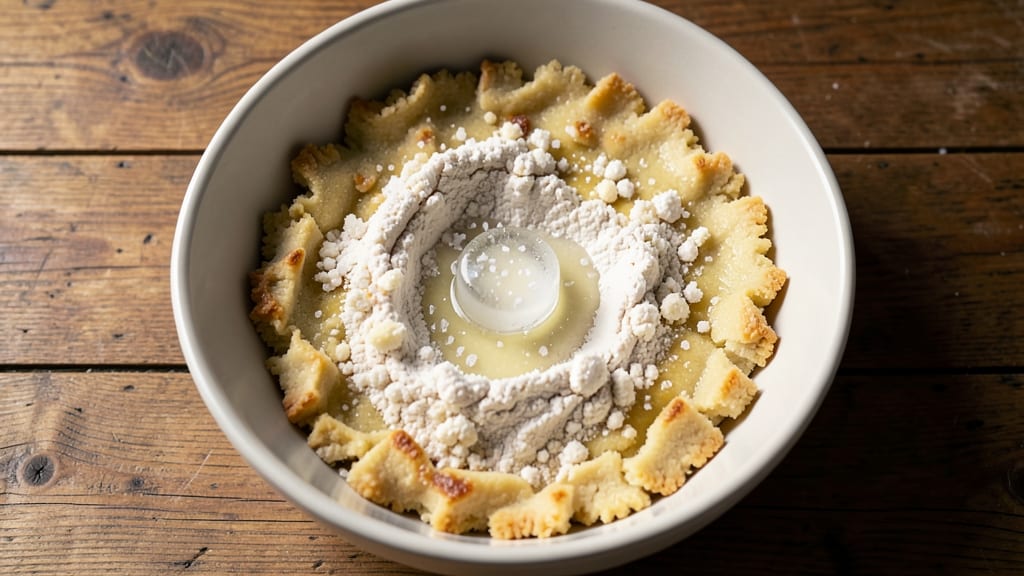
This old-fashioned Crisco pie crust recipe delivers the buttery, flaky layers that define classic desserts—without the fuss of traditional shortening. The secret lies in Crisco's unique ability to create tender, melt-in-your-mouth texture while staying true to time-honored techniques.
I've perfected this method over years of baking, ensuring every crust holds its shape and delivers that signature crunch.
The beauty of this recipe is its simplicity: just four ingredients and a few basic steps transform flour, fat, and ice water into a golden, shatteringly crisp foundation.
Whether you're baking an apple pie, pecan tart, or pumpkin custard, this crust forms an unbeatable base that stays sturdy even under heavy fillings. The key is handling the dough gently—never overworking it—and baking it just until it's set but still pale.
What you'll achieve is a pie crust so flaky and buttery that it rivals professional bakeries, yet requires no special equipment beyond a rolling pin and pie dish.
The Crisco creates delicate layers that melt in your mouth, while the ice water keeps the dough firm enough to handle without sticking. This is the crust that makes every pie feel like a homemade masterpiece.
Pair it with your favorite filling and watch your dessert transform from ordinary to extraordinary. The best part? Leftovers keep beautifully for days, making this the perfect crust for both special occasions and weeknight treats. Let's get baking!
Ingredients for old fashioned crisco pie crust
Four simple ingredients create the flakiest pie crust you'll ever make—no fancy tools needed.
| Ingredient | Amount | Notes |
|---|---|---|
| All-Purpose Flour 🌾 | 2 ½ cups | Sifted for light texture |
| Crisco Shortening 🧈 | 1 cup | Solid, not melted |
| Ice Water 💧 | ½ cup | Very cold, not frozen |
| Kosher Salt 🧂 | ½ tsp | Fine grain preferred |
The flour is everything here. King Arthur or Gold Medal are my go-tos—they're consistent and give that perfect balance of structure and tenderness. Crisco is non-negotiable for this recipe; it's the secret to those melt-in-your-mouth layers. Buy the 1-pound tub—it's cheaper and lasts forever. The ice water keeps the dough firm enough to handle without sticking to your fingers. If you're in a pinch, freeze your water pitcher for 10 minutes—it works just as well. And don't worry about exact measurements; the dough should just come together when you mix it.
No Crisco? Lard or vegetable shortening can work in a bind, but the texture won't be quite the same. Short on ice water? Cold water from the fridge plus a few ice cubes does the trick. The salt is crucial—it balances the sweetness of the filling and enhances the flavor. If you're using a different brand of flour, like King Arthur White, you might want to add an extra tablespoon or two to account for its slightly lower protein content. And if you're worried about the dough being too dry, a splash more ice water is better than overworking it.
This dough keeps beautifully. Wrap it tightly in plastic and store it in the fridge for up to 48 hours or freeze for up to 3 months. Let it sit at room temperature for 15-20 minutes before rolling to make it easier to handle. The best part? You can make the dough ahead and roll it out just before baking—it's perfect for when you're ready to fill your pie but not quite ready to bake it. Just don't overwork it when you roll; keep it cool and handle it gently.
Why You'll Love This Recipe
- No Fuss, No Mess: I’ll be real—this crust takes three ingredients and five minutes of hands-on work. Just cut the Crisco into flour, toss in ice water, and knead until it stops sticking. No rolling pins, no stress, no waiting for butter to chill. My kids can handle it, and so can you.
- Buttery Crunch Magic: That golden, shatteringly crisp edge? Pure Crisco alchemy. It’s not flaky like butter crust—it’s bold, with a rich, almost caramelized flavor that holds up to sweet or savory fillings. Honestly, I’ve used it for pecan pie, chicken pot pie, and even as a pizza crust. It never lets me down.
- Pantry Staple Power: Between us, this recipe is my secret weapon for last-minute gatherings. Need a pie for Thanksgiving? A quick pot pie for a sick friend? The ingredients are already in your cupboard—no specialty trips, no fancy substitutions. I’ve made it with store-bought filling, homemade filling, even as a deep-dish tart shell. It’s that reliable.
Step-by-step instructions for old fashioned Crisco pie crust
Here's how to create a classic, flaky crust using just four simple ingredients.
Cut in the Shortening for Maximum Flakiness
Place the 2.5 cups of sifted all-purpose flour in a large mixing bowl. Add the 1 cup of solid Crisco shortening (it should be cool but pliable, not melted) and the ½ teaspoon of kosher salt. Using a pastry cutter or two forks, cut the shortening into the flour until the mixture resembles coarse crumbs with pea-sized pieces of fat remaining.
This step is critical for flaky layers. The goal is to distribute the shortening evenly but keep it in small chunks—this creates steam pockets when baked, resulting in those signature flaky layers. If you're using your hands, work quickly to avoid warming the shortening. The texture should be dry and crumbly, not sticky.
Add Ice Water Gradually for Perfect Moisture
With a fork or your fingers, create a well in the center of the flour mixture. Slowly pour in the ½ cup of ice water, 1 tablespoon at a time. Gently mix with a fork or your fingertips until the dough just comes together. Be careful not to overmix—you're looking for a dough that holds when pressed but still has some crumbly texture.
The ice water is key here. Regular water would melt the shortening too quickly, resulting in a tough crust. The cold water keeps the fat solid during mixing, ensuring those perfect flaky layers. If the dough feels too dry, add a few drops more water, but resist the urge to add too much—this crust should be just barely moist enough to hold together.
Shape the Dough for Even Baking
Turn the dough onto a lightly floured surface and gently pat it into a 12-inch round (about ½-inch thick). Wrap it in plastic wrap and refrigerate for at least 1 hour (up to 2 days). This resting period allows the gluten to relax, preventing shrinking during baking. For a double crust, divide the dough in half and roll each piece separately.
When handling the dough, avoid pressing too hard—this can develop gluten and make the crust tough. Instead, use gentle patting motions. The dough should be cold when you roll it out, which helps maintain its shape. If it feels too soft, return it to the refrigerator for 15-20 minutes before shaping. This step ensures your crust will bake evenly and achieve that beautiful golden color.
Roll and Fit the Crust for Perfect Results
On a lightly floured surface, roll the chilled dough into a 12-inch circle (about ⅛-inch thick). Carefully transfer it to your pie dish, gently pressing it into the bottom and up the sides. Trim any excess dough hanging over the edge with a sharp knife or scissors. For a crimped edge, use your fingers to create a decorative border or press the edges with a fork to create a classic pie crust pattern.
When fitting the crust, work quickly to prevent warming. If it becomes too soft, return it to the refrigerator for 10 minutes to firm up. The crust should fit snugly in the dish without tearing. For a double crust, roll out the top crust slightly larger than the pie dish and drape it over the filling, trimming and crimping the edges to seal. This method ensures your pie crust will hold its shape during baking and deliver that signature flaky texture.
Pro Tips For Making Old Fashioned Crisco Pie Crust
- Cut Crisco Fast: Use a box grater or food processor for the shortening—it melts faster and mixes smoother than scooping chunks straight from the tub. I tried doing it by hand once and ended up with uneven patches that never dissolved properly.
- Chill the Dough: Pop the dough between two sheets of parchment paper and refrigerate for at least 30 minutes before rolling. Skipping this makes the crust greasy and hard to handle—trust me, you’ll regret it when it shrinks in the oven.
- Work Fast with Ice Water: Keep your water ice cold—right out of the fridge—and add it slowly while mixing. Too much at once turns the dough sticky, and you’ll be fighting it the whole time. A tablespoon at a time keeps it manageable.
- Roll It Even: Use a rolling pin with a slight downward pressure, not a sawing motion—this prevents tearing and keeps the thickness consistent. If it sticks, dust with flour lightly (just enough to help, not enough to ruin the texture).
Flavor customization for old fashioned crisco pie crust
Sweet Butter Twist
For a richer flavor, replace ¼ cup of the Crisco with ¼ cup melted butter (cooled to room temperature). The butter adds a subtle sweetness and depth that pairs beautifully with fruit pies like apple or berry.
I like to chill the dough slightly longer—about 2 hours—to let the butter solidify again before rolling. This keeps the flakiness while enhancing the buttery aroma. 🧈
Herb-Infused Crust
Add 1 tablespoon finely chopped fresh herbs like rosemary, thyme, or sage directly to the flour mixture for a savory twist. This works wonderfully with savory pies like quiche or sweet-savory galettes.
For a stronger flavor, use 1 teaspoon dried herbs (like thyme or oregano) instead. The herbs infuse the dough with an earthy aroma that complements rich fillings perfectly.
Spiced Variations
For a warm, aromatic crust, mix ½ teaspoon ground cinnamon and ¼ teaspoon ground nutmeg into the flour before cutting in the Crisco. This pairs exceptionally well with pumpkin, pecan, or sweet potato pies.
If you love a hint of warmth, add ¼ teaspoon cayenne pepper for a subtle kick. The spices dissolve into the fat, creating a fragrant crust that enhances every bite.
Nutty Crunch Add-Ins
Fold in ¼ cup finely chopped toasted nuts like pecans, walnuts, or hazelnuts into the dough for texture. This works especially well with fruit pies or nut-based fillings. For a more pronounced flavor, toast the nuts with a pinch of salt before mixing.
The nuts add a delightful crunch that contrasts beautifully with the tender crust. Just be sure to keep the dough chilled to prevent the nuts from making it too sticky.
Cheese-Enhanced Crust
Add ¼ cup grated sharp cheddar or Parmesan cheese to the flour mixture for a savory, umami-rich crust. This variation shines in savory pies, pot pies, or even cheesecake crusts.
For a sweeter twist, use ½ cup grated Gruyère—its nutty flavor pairs wonderfully with fruit fillings. The cheese adds a subtle tang that balances rich or sweet fillings beautifully.
Citrus Zest Brightener
Mix 1 teaspoon finely grated lemon or orange zest into the flour for a bright, citrusy note. This works beautifully with lemon meringue, key lime, or orange cream pies. The zest infuses the crust with a refreshing aroma that cuts through rich fillings.
For extra zing, add ½ teaspoon of the corresponding juice to the ice water. Just be sure to use fresh zest for the best flavor—dried zest lacks the same vibrancy.
Nutrition facts
Frequently asked questions
Why does this recipe use Crisco instead of butter?
Crisco creates superior flakiness because it stays solid at lower temperatures than butter, forming distinct layers that melt into steam during baking. Unlike butter, which can brown too quickly, Crisco gives you that classic "old-fashioned" texture without burning. For extra richness, try the butter twist variation!
Can I make this crust ahead of time?
Wrap the shaped dough tightly in plastic and refrigerate for up to 48 hours or freeze for 3 months. Let it sit at room temperature for 15-20 minutes before rolling to prevent cracking. This makes it perfect for pie nights when you're short on time.
What's the best way to prevent a soggy bottom?
Pre-bake the crust for 8-10 minutes at 375°F before adding filling, then sprinkle with 1 tablespoon cornstarch or dried breadcrumbs as a barrier. For fruit pies, blind-bake with pie weights to ensure crispness. The ice water in this recipe also helps maintain structure better than regular water.
Can I use this crust for savory pies too?
Yes! The basic recipe works perfectly for savory dishes like pot pies or quiches. For extra flavor, try the herb-infused or cheese-enhanced variations. Just reduce baking time by 5-7 minutes since savory fillings don't need as long in the oven as fruit fillings.
Why does my crust shrink when baking?
Overworking the dough develops gluten, causing shrinkage. Handle the dough gently and keep it cold—never let it warm up before baking. Also ensure your pie dish is properly greased. The ice water in this recipe helps prevent this common issue by keeping the dough firm during handling.