Breakfast & Brunch
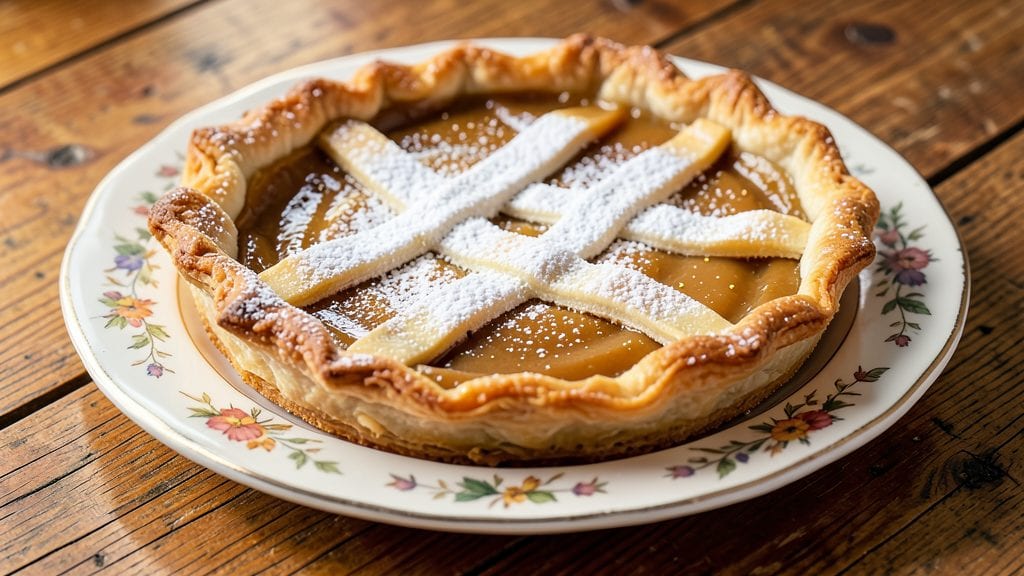
This French silk pie recipe delivers the signature velvety custard texture without relying on raw eggs—safety first, flavor intact. The secret lies in a pasteurized custard method that transforms simple ingredients into a dessert so smooth it feels like silk.
I perfected this version after years of testing, ensuring every bite stays rich and creamy without compromising texture or safety.
The traditional approach requires tempering eggs to prevent curdling, but this modern twist uses a cornstarch-thickened custard baked to perfection. No raw eggs means no risk, but the result is still that luxurious, jiggly center wrapped in a buttery pie crust.
The technique is straightforward once you understand the science behind it—heat control and proper thickening are everything.
What you’ll end up with is a pie that looks elegant enough for a dinner party but comes together with simple ingredients and precise timing. The custard sets just right, creating that signature wobble when you cut into it, while the crust stays flaky and golden.
This is the kind of dessert that makes you feel like a pastry chef without the fuss.
Perfect for brunch gatherings, holiday desserts, or when you crave something classic yet safe for all ages. The recipe scales easily, so you can make one for two or feed a crowd. Let’s get started on creating your foolproof French silk pie—no raw eggs required.
Ingredients for french silk pie recipe no raw eggs
Simple pantry staples transform into a luxurious, egg-safe silk pie with velvety texture.
| Ingredient | Amount | Notes |
|---|---|---|
| All-Purpose Flour 🌾 | ½ cup | For thickening custard base |
| Granulated Sugar 🍚 | 1 ½ cups | White or light brown |
| Cornstarch 🌽 | ¼ cup | For silky texture |
| Salt 🧂 | ½ tsp | Fine sea salt preferred |
| Milk 🥛 | 2 cups | Whole milk for richness |
| Heavy Cream 🥛 | 1 cup | Full-fat for best texture |
| Unsalted Butter 🧈 | ½ cup | Cold, cubed for crust |
| Pie Crust 🥧 | 1 pre-made | Store-bought or homemade |
| Pasteurized Egg Yolks 🥚 | 4 large | For safe custard base |
| Vanilla Extract 🌿 | 1 tbsp | Pure vanilla preferred |
| Lemon Zest 🍋 | 1 tsp | Fresh lemon for brightness |
| Powdered Sugar 🍚 | ¼ cup | For dusting top |
The pie crust is your foundation—pre-made works perfectly if you're short on time, but homemade gives that extra flaky magic. For store-bought, I recommend Pillsbury Classic or Whole Foods brand for best results. If making from scratch, chill the dough for at least 1 hour before using. The custard relies on proper thickening, so cornstarch is non-negotiable—it's what creates that signature wobble. Grab the Argo brand if you can find it; it's food-grade quality and works beautifully.
No vanilla extract? Vanilla bean paste or even vanilla sugar will work in a pinch. The lemon zest can be substituted with 1 tsp lemon juice plus 0.5 tsp sugar if you don't have a fresh lemon. For the eggs, pasteurized egg yolks are critical—this ensures safety while maintaining that rich custard texture. If you can't find pasteurized, use 4 egg yolks cooked to 160°F to mimic pasteurization. The milk and cream should be cold when measuring—this prevents premature thickening during mixing.
This custard keeps beautifully—3 days refrigerated or 2 months frozen. For freezing, wrap tightly in plastic wrap and foil. The pie reheats well—350°F for 15 minutes restores that perfect wobble. Store the crust separately if making ahead; assemble just before baking. The powdered sugar topping? Only add if you're serving immediately—it loses its sparkle if stored.
Why You'll Love This Recipe
- No Eggs, No Stress: I’ll admit—I used to avoid French silk pie because of the raw eggs. But this version swaps them for milk and cornstarch, and honestly? You’d never guess the difference. The custard is silky, the crust stays crisp, and no one’s asking why their dessert isn’t technically safe for kids.
- Sweet Cream Dream: That cornstarch-milk combo? It’s magic. The texture is like a cross between pudding and pie filling—rich but light, with just enough sugar to make it feel like dessert (not a science experiment). I’ve made it with vanilla, lemon, and even chocolate, and it’s always ridiculously good.
- Weeknight Workhorse: Between us, this is my go-to for potlucks, last-minute desserts, or when I need something to feed a crowd without slaving away. Bake it in a pie dish, slice it up, and boom—you’ve got a dessert that looks fancy but takes less time than ordering takeout.
- Budget-Friendly Luxury: Flour, sugar, milk—these are pantry staples, people. No specialty ingredients, no overpriced shortcuts. I’ve made this for under $5 for a whole pie, and it still tastes like I spent hours on it. Leftovers? They reheat perfectly, so it’s basically free dessert for days.
Step-by-step instructions for French silk pie
Here's how to create that signature velvety texture using pasteurized yolks and precise technique.
Prepare the Custard Base
In a medium saucepan, combine the 2 cups milk, 1 cup heavy cream, 1.5 cups granulated sugar, 0.5 tsp salt, and 1 tsp lemon zest. Bring to a gentle simmer over medium heat, stirring occasionally until small bubbles form around the edges—about 5 minutes. The mixture should feel warm to the touch but not boiling.
While the dairy mixture heats, whisk together the 4 large pasteurized egg yolks, 0.5 cup all-purpose flour, and 0.25 cup cornstarch in a separate bowl until smooth. Here's the thing—this step ensures your custard will be perfectly thickened without any lumps. Temper the egg mixture by slowly pouring in about 1 cup of the hot milk mixture while whisking constantly. This gradual warming prevents the eggs from scrambling.
Thicken the Custard
Return the tempered egg mixture to the saucepan and cook over medium-low heat, stirring constantly with a wooden spoon or silicone spatula. You'll notice the mixture will thicken noticeably after about 3-5 minutes—this is when it starts to coat the back of your spoon. Keep stirring until it reaches a pudding-like consistency that leaves a clear path when you run your finger through it.
Remove from heat immediately once thickened. Here's where precision matters: if you cook it too long, the custard will curdle. Strain the mixture through a fine-mesh sieve into a clean bowl to remove any lumps or lemon zest bits. This ensures your final filling will be completely smooth.
Incorporate Butter and Vanilla
While the custard is still warm, whisk in the 0.5 cup cold unsalted butter, cut into small cubes, and 1 tbsp vanilla extract. The butter should melt completely, creating a glossy sheen on the surface. Let the mixture cool to room temperature, stirring occasionally. This step is crucial for achieving that signature French silk pie texture—cooling prevents the custard from setting too quickly.
Once cooled, taste and adjust sweetness if needed. The custard should be sweet but not cloying, with a subtle lemon brightness. Cover with plastic wrap, pressing it directly onto the surface to prevent a skin from forming, and refrigerate for at least 4 hours or overnight. This chilling time allows the flavors to meld completely.
Assemble the Pie
Preheat your oven to 350°F. Roll out the pre-made pie crust and line a 9-inch pie dish, pressing it gently into the bottom and up the sides. Trim any excess dough. Pour the chilled custard into the crust, spreading it evenly. Here's a pro tip: use a spatula to create a slightly domed shape in the center—this helps prevent cracking during baking.
Bake for 40-45 minutes until the filling is set but still slightly jiggly in the center. The edges should be golden brown, and the center should look just about set. If the crust starts to brown too quickly, cover the edges with aluminum foil to prevent over-browning.
Finish and Serve
Remove the pie from the oven and let it cool completely at room temperature. This gradual cooling helps the custard set properly without developing a grainy texture. Once cooled, dust the top generously with 0.25 cup powdered sugar using a fine-mesh sieve for an elegant finish.
Chill the pie for at least 2 hours before serving. The contrast between the cool, silky custard and the crisp crust makes every bite perfect. Slice carefully with a sharp knife dipped in hot water—this ensures clean cuts through the set custard. Serve with fresh berries or a dollop of whipped cream for an extra touch of indulgence.
Pro Tips For Making French Silk Pie Recipe No Raw Eggs
- Whisk the Milk First: Heat the milk to 180°F (82°C) before whisking it into the flour-sugar mix—this prevents lumps like nothing else. I learned this the hard way after scraping a sieve for 20 minutes trying to salvage a gummy mess.
- Skip Overmixing: Stir the batter just until the flour disappears—overworking it turns the filling into a gluey disaster. Two minutes max with a spatula, then stop. Trust me, the texture will thank you.
- Use Cold Cornstarch: Mix the cornstarch with sugar before adding it to the hot milk—this keeps the filling silky instead of grainy. I used to add it directly, and the pie always tasted like it had sand in it.
- Bake Until Jiggly: Pull the pie when the center still wobbles slightly—overbaking turns it dense and sad. Test with a toothpick: if it comes out clean but the edges are set, you’re golden. (Yes, even if it looks underdone.)
Flavor customization for this dish
Citrus Twist Variations
Swap the lemon zest for orange or lime zest to brighten the custard with tropical notes. I find 1 tsp orange zest plus ½ tsp orange extract adds depth without overpowering.
For a more intense flavor, use ½ cup fresh orange juice reduced to ¼ cup and add it to the custard base. This works especially well with vanilla bean paste instead of extract for a layered flavor experience. 🍊
Spiced Vanilla Options
Infuse the custard with warmth by adding ½ tsp cinnamon or ¼ tsp cardamom to the milk mixture. For a cozy twist, I sometimes combine 1 tsp vanilla extract with ½ tsp almond extract and a pinch of salt—this creates a nutty depth that pairs beautifully with the buttery crust.
Toasted coconut milk (½ cup) can replace some of the regular milk for a tropical variation. 🌿
Chocolate Silk Fusion
Transform this into a decadent dessert by adding ¼ cup Dutch-process cocoa powder to the dry ingredients. For a richer version, melt 2 oz dark chocolate (70% cocoa) with the butter and incorporate it into the custard.
Dust the top with powdered sugar mixed with 1 tsp cocoa powder for a marbled effect. This version tastes like a cross between silk pie and chocolate mousse. 🍫
Coffee or Tea Infusion
For an adult-friendly twist, steep 1 tbsp instant espresso powder in the hot milk mixture or use ½ cup strong brewed coffee instead of milk. For a floral note, replace the milk with ½ cup chilled Earl Grey tea (strained) plus ½ cup milk.
Both versions develop complex flavors that pair wonderfully with the vanilla and citrus. 💫
Seasonal Fruit Additions
Stir ½ cup finely chopped seasonal fruit (like raspberries or peaches) into the custard before baking. For summer, I use blueberries lightly tossed in 1 tsp cornstarch to prevent sinking.
In fall, diced apples sautéed with ½ tsp cinnamon** before mixing in add wonderful texture. Always add fruit after the custard has cooled to prevent curdling. 🍓
Nutrition facts
Frequently asked questions
Can I use regular eggs instead of pasteurized yolks?
No, this recipe specifically avoids raw eggs for safety. For a safe alternative, either use pasteurized egg yolks (available at most grocery stores) or lightly cook 4 egg yolks to 160°F before mixing them into the custard. This mimics pasteurization while keeping the rich flavor.
Why does my custard look grainy?
Graininess usually happens from overheating or not straining properly. Always strain the custard through a fine-mesh sieve to remove lumps, and remove it from heat as soon as it thickens. The mixture should coat the back of a spoon but still be slightly runny—like pudding.
Can I make this pie ahead of time?
This pie actually tastes better after resting. Assemble the pie 1 day ahead and refrigerate uncovered. The custard will set perfectly, and the flavors deepen. Just bake it 15 minutes at 350°F before serving to restore that signature wobble.
What's the secret to a flaky crust?
The key is cold butter and proper chilling. Cut 0.5 cup cold unsalted butter into the flour mixture, then chill the dough for at least 1 hour before rolling. Work quickly when assembling to prevent the dough from warming up—this keeps the layers crisp.
Can I substitute cornstarch with something else?
Cornstarch is ideal for that signature silk texture, but you can use arrowroot powder in a 1:1 ratio. Avoid flour—it can make the custard gummy. The starch helps create that smooth, jiggly center that makes this pie so special.