Desserts
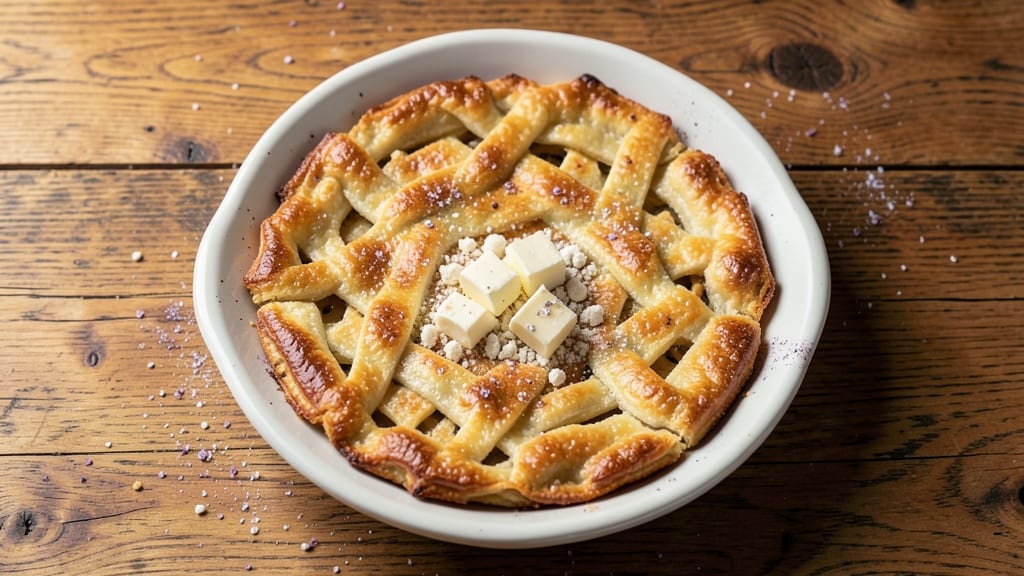
Paula Deen’s pie crust recipe delivers that signature buttery, flaky perfection that makes every bite worth the effort. Standing on a step stool in my grandmother’s kitchen in Sicily, I learned that the secret to a great crust lies in cold butter and patience—just like Paula’s method.
The lattice pattern isn’t just decorative; it creates those coveted shatteringly crisp layers that hold up to rich fillings without losing their structure.
This recipe starts with a simple blend of flour, ice-cold butter, and just enough water to hold it together. The key is working quickly but deliberately—cutting the butter into the flour until it resembles coarse crumbs, then chilling the dough for at least 30 minutes.
That rest ensures the butter stays cold, which is what creates those signature flaky layers when baked. Paula’s approach makes it approachable for home cooks while delivering restaurant-quality results.
By the time you roll out the dough and fit it into your pie dish, you’ll be setting the stage for a crust that’s golden, crisp, and sturdy enough to hold even the heaviest fruit fillings or creamy custards.
The lattice technique adds visual appeal while keeping the crust tender enough to cut through with a fork. Whether you’re baking a classic pecan pie or experimenting with savory options, this crust will elevate your dish every time.
Ready in about 15 minutes of prep plus chilling time, this recipe is perfect for both beginners and seasoned bakers. The instructions walk you through every step—from mixing to rolling, cutting the lattice, and blind-baking if needed—so you can achieve that signature Paula Deen flakiness without stress.
Let’s get started on that perfect pie crust!
Ingredients for paula deen pie crust
Four simple ingredients transform into Paula Deen’s legendary buttery, lattice-topped pie crust.
| Ingredient | Amount | Notes |
|---|---|---|
| All-Purpose Flour 🌾 | 2 ½ cups | Sifted for lighter texture |
| Unsalted Butter 🧈 | 1 cup | Cold, cubed for flakiness |
| Ice Water 💧 | 0.3 cup | Chilled for binding |
| Salt 🧂 | 1 tsp | Fine sea salt preferred |
| Granulated Sugar 🍚 | 1 tbsp | For subtle sweetness |
| Garlic Powder 🧄 | ½ tsp | For subtle depth |
| Pie Dish 🍰 | 1 whole | 9-inch preferred |
| Plastic Wrap 📄 | 1 sheet | For dough chilling |
The butter is non-negotiable here—cold, unsalted sticks from the freezer are your best bet (yes, straight from the freezer). Land O’Lakes or Plugrá brands stay firm longest. Flour matters too: King Arthur or Gold Medal are reliable, but don’t skip sifting—it makes all the difference for that perfect crumb. The pie dish? A 9-inch glass or ceramic works best for even baking, but metal will do in a pinch. Pro tip: Chill your rolling pin too—it keeps the dough from sticking.
No ice water? Cold water from the fridge works, but it won’t bind as well. Short on sugar? Skip it—Paula’s crust is delicious without it. The garlic powder is optional but adds that subtle depth she’s known for. For the lattice, use a pizza cutter or sharp knife—it gives cleaner cuts than scissors. Need to substitute butter? Lard or shortening works in a bind, but you’ll lose some of that signature buttery flavor. And if you’re blind-baking, use pie weights or dried beans—never metal, or it’ll steam instead of crisp.
This dough needs 30-60 minutes in the fridge—don’t rush it. Wrap it tightly in plastic wrap to prevent drying. Once baked, store at room temperature for up to 2 days in an airtight container. Freeze unbaked dough for up to 3 months—just thaw overnight before rolling. For leftovers, reheat in a 350°F oven for 5-10 minutes to restore crispness. The lattice? Best eaten fresh, but reheats beautifully if you’re patient.
Why You'll Love This Recipe
- Foolproof First Try: I’ll admit, pie crust intimidates me—but Paula’s method with cold butter cut into flour until it’s pea-sized? No rolling pins, no stress. Just pulse, mix with ice water, and press. My first attempt wasn’t pretty, but it held together like a dream.
- Buttery Sweet Crunch: That touch of sugar in the butter? It’s not just sweet—it’s rich, like a hug for your teeth. The crust gets flaky and golden, with just enough crisp at the edges to make every bite worth it. Honestly, I’ve made store-bought crusts since, but nothing beats this.
- Weeknight or Holiday: Same dough, endless uses. Need a quick pot pie? Done. Hosting Thanksgiving? This crust’s your base. I even use it for savory galettes when I’m lazy. It’s my go-to because it works everywhere—no fuss, no excuses.
- Pantry Staple Magic: Five ingredients, all cheap and lasting. The butter’s the splurge, but a block keeps for months. I make two crusts at a time, freeze one, and boom—emergency dessert or meal upgrade ready. Budget-friendly? Yes. Reliable? Absolutely. My secret weapon.
Step-by-step instructions for Paula Deen's pie crust recipe
Here's how to create that signature shatteringly flaky crust with a touch of Southern charm.
Cut Butter into the Flour for Maximum Flakiness
Place the 2.5 cups all-purpose flour in a large mixing bowl. Add the 1 cup unsalted butter, cut into ½-inch cubes, and the 1 teaspoon salt. Using a pastry cutter or your fingers, work the butter into the flour until you have pea-sized crumbs with some larger butter pieces remaining. This texture is crucial—it creates those beautiful flaky layers when baked.
I like to press the butter pieces into the flour with my fingertips, making sure they're evenly distributed but still visible. This ensures pockets of butter will melt during baking, creating steam that separates the dough layers. If your butter starts to melt, chill the mixture for 10 minutes before proceeding—this prevents a gummy dough that won't hold its shape.
Mix in Wet Ingredients for Perfect Binding
In a separate small bowl, whisk together the 0.3 cup ice water, 1 tablespoon granulated sugar, and 0.5 teaspoon garlic powder. The ice water is key here—it stays cold longer, preventing the butter from melting too quickly during mixing. Pour this mixture slowly over the flour-butter combination while stirring gently with a fork or wooden spoon.
Mix just until the dough begins to come together. You'll want to avoid overworking it—stop when you can press the dough and it holds together but still feels slightly crumbly. If the dough seems too dry, add 1 teaspoon more ice water; if it's too wet, sprinkle in 1 tablespoon more flour. The goal is a dough that's just moist enough to hold when pressed but not sticky enough to be difficult to handle.
Chill the Dough for Easier Handling
Divide the dough into two equal portions and flatten each into a 6-inch round on a lightly floured surface. Wrap each portion tightly with the plastic wrap and refrigerate for at least 1 hour, or up to 24 hours. This chilling step is non-negotiable—it firms up the butter, making the dough easier to roll out and preventing it from shrinking in the pie dish.
While the dough chills, preheat your oven to 375°F. This might seem early, but having your oven ready means you can roll out and bake the crust immediately after chilling, which is when the dough is at its most pliable. If you're making a lattice top, you'll want both dough portions fully chilled and ready to go.
Roll and Fit the Crust for Perfect Layers
Remove one dough portion from the refrigerator and roll it out on a lightly floured surface to a 12-inch circle, about ⅛-inch thick. Gently fold the dough in half, then in half again, to make handling easier. Unfold and carefully transfer the dough to the 9-inch pie dish, letting it unfold naturally. Press it gently but firmly into the bottom and up the sides, creating a ¼-inch overhang all around.
Trim the excess dough, leaving about ½-inch beyond the pie dish edge. Fold this overhang under itself to create a neat rim. For a classic lattice, roll out the second dough portion to a 12-inch by 4-inch rectangle, about ⅛-inch thick. This will become your lattice top. If you're making a double-crust pie, simply roll out the second portion and place it over the filling, sealing the edges with a fork.
Blind-Bake for a Sturdy Foundation
For a lattice top, cut the 4-inch rectangle into ½-inch strips, then stack every other strip to form a lattice pattern over the pie filling. For a double crust, simply place the second dough over the filling and seal the edges. Prick the top crust all over with a fork to allow steam to escape.
Line the crust with parchment paper and fill it about ½ full with pie weights or dried beans. Bake at 375°F for 15 minutes before removing the weights. This blind-baking step prevents a soggy bottom crust. Continue baking for another 5-7 minutes until the crust is light golden brown at the edges. For a double crust, bake until the top is golden brown and the edges are slightly darker.
Let the crust cool slightly before adding your filling. The residual heat will help cook the filling evenly, while the pre-baked crust maintains its perfect flakiness. This method ensures your crust stays crisp and buttery, just like Paula Deen's famous recipes.
Pro Tips For Making Paula Deen Pie Crust
- Cut Butter Cold: Paula Deen’s crust relies on cold butter for flaky layers, so pull that block from the fridge 20 minutes before cutting—no need to freeze it. If your kitchen’s warm, toss the butter cubes in a bowl of ice water for 5 minutes while you mix the dough. I learned this the hard way after a batch turned out greasy and sad.
- Measure Flour Right: Spoon the flour into the measuring cup, then level it with a knife—don’t scoop directly from the bag or you’ll pack it too tightly. Paula’s recipe works best when the flour is light and airy, not compressed. Sounds picky, but dense flour makes a tough crust.
- Work Fast with Ice Water: Keep your ice water in a separate bowl while mixing, and add it gradually—just 1 tablespoon at a time. The dough should clump together but not get sticky. I was skeptical until I tried it: slow hydration = less gluten development, which means a tender, not chewy, crust.
- Chill Between Rolls: After shaping the dough, wrap it tightly and refrigerate for at least 30 minutes—no rushing. If you’re in a hurry, pop it in the freezer for 15 minutes, but don’t skip this step. The cold dough handles rolling better and shrinks less when baking. Yes, even if you’re impatient like me.
Serving suggestions for this paula deen pie crust
Classic Pairings
Paula Deen’s buttery crust shines with classic Southern fillings like peach cobbler or pecan pie. The lattice design lets you peek at the golden fruit underneath—imagine sliced Georgia peaches simmered with brown sugar and cinnamon.
For a savory twist, try a shrimp and cheese pie with a touch of Cajun seasoning—the crust holds up beautifully to rich fillings. 🍑
Sweet Topping Ideas
Top your lattice crust with vanilla bean ice cream and a drizzle of honey for a no-bake dessert. Or, brush the baked crust with egg wash and sprinkle with crushed pecans before baking for extra crunch.
For a rustic touch, add a streusel topping of flour, butter, and brown sugar—it melts into caramelized pockets as the pie bakes.
Savory Serving Suggestions
Transform this crust into a quiche by adding a spinach and feta filling or a ham and cheddar combination. For a hearty appetizer, use it as a base for mini hand pies filled with pulled pork and BBQ sauce.
The lattice pattern adds visual appeal while keeping the crust sturdy enough to hold fillings without sogginess.
Presentation Tips
Serve warm pies straight from the oven with a dusting of powdered sugar and a scoop of whipped cream. For a restaurant-worthy touch, garnish with fresh berries or a sprinkle of toasted coconut.
If making ahead, store pies at room temperature in an airtight container for up to 2 days—reheat in a 350°F oven for 10 minutes to restore crispness.
Seasonal Adaptations
In summer, use stone fruits like nectarines or plums. For fall, swap in apples or pumpkin custard. Winter calls for spiced cranberry filling or a chocolate cream pie with a lattice top. Each season’s flavors complement the crust’s buttery richness perfectly. 🍂
Garnish Like a Pro
Add a pinch of flaky sea salt on top of baked pies for contrast. A drizzle of caramel sauce or chocolate ganache elevates desserts instantly. For savory pies, sprinkle with fresh herbs like thyme or rosemary.
These finishing touches turn a homemade pie into a showstopper worthy of Paula Deen’s kitchen. ✨
Nutrition facts
Frequently asked questions
Why does Paula Deen's pie crust need to chill for so long?
The 1-hour chilling time is crucial to prevent the butter from melting during rolling and baking. Cold butter creates steam pockets that separate the dough layers, giving that signature flaky texture. Skipping this step often results in a tough, dense crust instead of the delicate layers you want.
Can I make this crust ahead of time?
The dough can be wrapped and refrigerated for up to 24 hours before rolling. For best results, bake the crust immediately after rolling to maintain its crispness. If you need to store baked crusts, keep them in an airtight container at room temperature for 2 days or freeze for 3 months.
What's the secret to getting that perfect lattice pattern?
Roll the second dough sheet to ⅛-inch thickness and cut ½-inch strips with a pizza cutter for clean edges. Stack every other strip to create the classic crisscross. Press gently where strips overlap to seal, then bake immediately to prevent sticking. For extra flair, brush the baked lattice with egg wash before adding filling.
Why does my crust turn out greasy instead of flaky?
Overworking the dough or using warm butter releases too much fat during mixing. Keep everything ice cold and handle the dough minimally. The butter should remain in pea-sized pieces when mixed—don't pulse it into a paste. Also, ensure your rolling pin is chilled to prevent melting the butter prematurely.
Can I substitute butter with something else?
For a lighter texture, use shortening or lard in equal amounts, but you'll lose some of the rich buttery flavor. If you must use margarine, choose an unsalted, high-fat version and keep it very cold. For a vegan option, cold-pressed coconut oil works but may alter the taste slightly.