Desserts
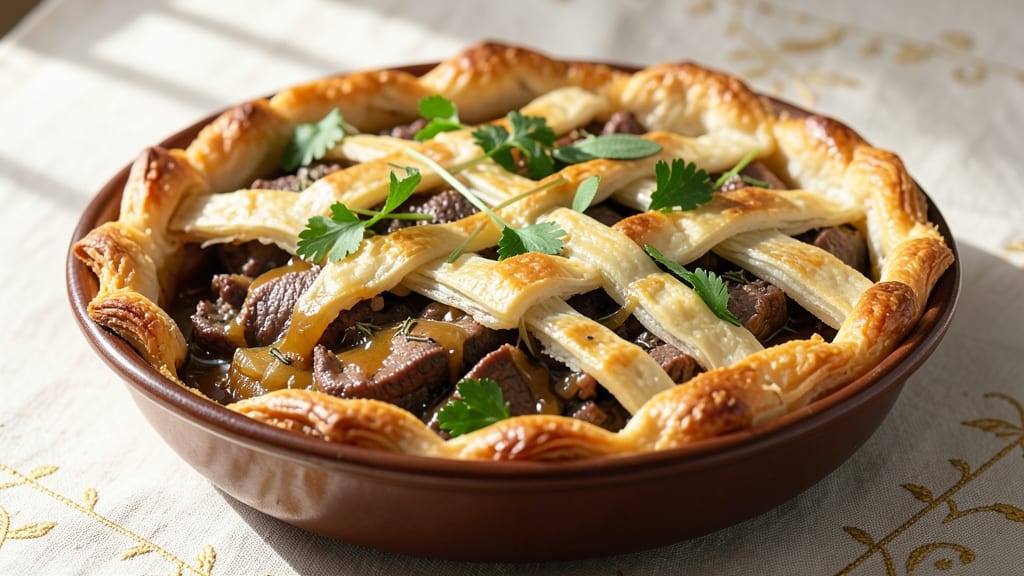
This classic liver pie recipe brings the heart of British baking tradition to your kitchen, where rich, spiced filling meets a golden, flaky pastry crust.
The combination of tender liver, savory onions, and aromatic herbs creates a filling that's both comforting and deeply flavorful—perfect for a cozy family meal or special occasion.
What makes this recipe stand out is the balance between a tender filling and a crisp, buttery crust that holds up beautifully when sliced.
The foundation of an authentic liver pie lies in the filling, where liver is gently cooked with onions, herbs, and spices until just tender—never overcooked, which would turn it rubbery.
The pastry, whether homemade or store-bought, should be rolled out thinly to ensure it bakes evenly and achieves that signature crispness. This recipe stays true to tradition while offering flexibility for those who prefer a slightly sweeter or more herby variation.
By the time it emerges from the oven, your liver pie will have a golden, crackly crust that contrasts perfectly with the moist, spiced filling inside. The aroma alone—warm, savory, and slightly sweet—will fill your kitchen and draw everyone to the table.
Each slice delivers layers of texture and flavor, making it a dish worth the effort. Whether you're serving it as a main course or a centerpiece for a holiday gathering, this pie delivers classic British comfort.
For those new to liver pies, don’t be intimidated by the filling—it’s simpler than it sounds, and the pastry can be made ahead or purchased for convenience. The key is patience: letting the filling simmer gently and the pastry rest before baking ensures the best results.
This recipe is a testament to how simple ingredients, when combined with care, can create something truly memorable.
Ingredients for liver pie
British baking essentials meet hearty comfort food in this classic liver pie.
| Ingredient | Amount | Notes |
|---|---|---|
| Beef Liver 🥩 | 1 lb | Fresh, trimmed of fat and membrane |
| Yellow Onions 🧅 | 2 large | Chopped into small dice |
| Fresh Thyme Leaves 🌿 | ½ cup | Or 1 tbsp dried thyme |
| Fresh Parsley Leaves 🌿 | ¼ cup | Chopped finely for garnish |
| Fresh Sage Leaves 🌿 | ¼ cup | Chopped for depth of flavor |
| All-Purpose Flour 🌾 | 1 cup | For thickening filling |
| Unsalted Butter 🧈 | ½ cup | Cold, cubed for pastry |
| All-Purpose Flour 🌾 | 2 cups | Plus 1 tsp salt for crust |
| Ice Water 💧 | ½ cup | For pastry dough |
| Large Eggs 🥚 | 1 whole | For egg wash |
| Milk 🥛 | 1 tbsp | For egg wash richness |
| Salt 🧂 | 1 ½ tsp | Kosher or sea salt |
| Ground Black Pepper 🌶️ | ½ tsp | Freshly ground preferred |
| Ground Nutmeg 🌿 | ¼ tsp | Freshly grated for warmth |
| Granulated Sugar 🍚 | 1 tbsp | Balances savory filling |
The liver is the star—freshness is non-negotiable. Look for bright red, firm pieces at Whole Foods or your local butcher. Beef liver works best, but pork liver can be substituted if preferred. Trim all visible fat and membrane before chopping. The onions should be sweet, not bitter—yellow or Vidalia are ideal. Fresh herbs elevate the filling; Trader Joe's often carries pre-bundled thyme and sage at reasonable prices. For the pastry, Pillsbury Crescent Rolls can be used as a shortcut, but homemade yields superior results.
No fresh thyme? Dried thyme at one-third the amount works in a pinch. Substitute chicken liver if beef isn't available, but reduce cooking time by half. For a sweeter variation, add 1 tbsp honey or maple syrup to the filling. The pastry requires Diamond Crystal baking powder for optimal rise—other brands may need adjustment. If using store-bought pie crust, pre-bake it blind to prevent sogginess. The nutmeg adds warmth; omit if sensitive to spice.
Fresh liver filling keeps 2 days in the fridge before baking. Prep the pastry dough up to 2 days ahead and refrigerate wrapped in plastic. The assembled pie can be refrigerated overnight for deeper flavor. Bake until golden brown—450°F for 40-45 minutes—then let rest 10 minutes before slicing. Reheats beautifully; store leftovers covered at room temperature for 3 days or freeze for 3 months.
Why You'll Love This Recipe
- No Fuss Assembly: I swear, this pie comes together faster than you can chop an onion. Slice the liver thin, layer it with caramelized onions and herbs—thyme, parsley, sage—then bake. That’s it. No rolling dough, no fussing with crusts.
- Herb-Packed Punch: Between the beef liver’s rich umami and the bright, earthy trio of thyme, parsley, and sage, every bite is a flavor explosion. The onions caramelize into sweetness that cuts through the liver’s intensity—like a perfect balance of bold and comforting.
- Weeknight or Holiday: Honestly, it’s my go-to for dinner parties and lazy Tuesdays. Serve it warm with crusty bread for guests or reheat slices straight from the fridge for a no-effort lunch. The pie keeps beautifully, so it’s always ready when it is.
- Budget-Friendly Feast: Liver is cheaper than steak but packs serious protein—this pie feeds four for the price of two. Leftovers? Even better. I’ll be real: the second day is when it truly shines, as the flavors meld into something even richer.
Step-by-step instructions for liver pie recipe
Follow this classic method to create a rich, spiced liver filling encased in golden pastry.
Prepare the Liver Filling
Trim the 1 lb beef liver of any visible fat and membrane, then cut it into small, even pieces. In a large skillet, heat 2 tablespoons of the 0.5 cup unsalted butter over medium heat until foaming. Add the liver and cook for 2-3 minutes, stirring gently, until it begins to brown but isn't fully cooked through. Remove the liver and set aside.
In the same skillet, add the 2 large yellow onions and cook for 8-10 minutes until softened and translucent. Stir in the 0.5 cup fresh thyme leaves, 0.25 cup fresh sage leaves, 1.5 tsp salt, 0.5 tsp ground black pepper, and 0.25 tsp ground nutmeg. Cook for another 2 minutes until fragrant. Return the liver to the skillet and add the 1 cup all-purpose flour and 1 tbsp granulated sugar. Stir well to coat the liver and onions evenly.
Thicken the Filling
Gradually add 1 cup of water to the skillet, stirring constantly to prevent lumps from forming. Cook over medium heat for 5-7 minutes until the mixture thickens into a rich, gravy-like consistency. The filling should coat the back of a spoon and leave a slight sheen. Remove from heat and let it cool slightly for 10 minutes. This resting period allows the flavors to meld and the filling to set properly.
While the filling cools, prepare the pastry. In a large bowl, combine the 2 cups all-purpose flour and 1 tsp salt. Cut in the remaining 0.375 cup unsalted butter (from the 0.5 cup total) using a pastry cutter or your fingers until the mixture resembles coarse crumbs. Gradually add the 0.5 cup ice water, mixing just until the dough comes together. Shape into a disk, wrap in plastic, and chill for 30 minutes.
Assemble and Bake the Pie
Preheat your oven to 375°F. Roll out the chilled pastry dough on a lightly floured surface into a 12-inch circle. Transfer it to a 9-inch pie dish, pressing gently to fit. Trim and crimp the edges. Spoon the cooled liver filling into the pastry shell, spreading it evenly. Fold the 0.25 cup fresh parsley leaves over the top for garnish.
In a small bowl, beat the 1 whole large egg with the 1 tbsp milk to make the egg wash. Brush the egg wash over the top of the pie, focusing on the edges and any exposed pastry. Bake for 40-45 minutes, or until the pastry is golden brown and the filling is bubbling gently. The pie is done when the crust is crisp and the filling has set but remains moist.
Rest and Serve
Remove the pie from the oven and let it rest for 15-20 minutes before slicing. This resting period allows the filling to firm slightly, making it easier to serve without spillage. The crust should be crisp and golden, while the filling should be rich, spiced, and perfectly set. Serve warm with a side of crusty bread or a simple green salad to complement the hearty flavors.
This classic liver pie delivers a perfect balance of savory and spiced notes, all encased in a buttery, golden crust. The filling should be tender yet flavorful, with the herbs and nutmeg adding depth to every bite. Enjoy immediately for the best texture and flavor experience.
Pro Tips For Making Liver Pie
- Sear Liver First: I learned this the hard way—skip the sear, and your filling will taste bland and pasty. Heat a skillet until it’s smoking, pat the liver slices bone-dry with paper towels, and cook them 1-2 minutes per side until edges crisp. The caramelized crust cuts through the richness and keeps the pie from tasting like raw meat.
- Soak Onions Overnight: Sounds weird, but it works: slice your onions thin and let them sit in cold water for 8-12 hours before cooking. Drain and pat dry—this removes the sharp bite and makes them sweet, mellow, and actually tender when simmered in the pie. (Yes, even if you’re impatient like me.)
- Don’t Overfill the Crust: I used to pack the pie crust tight with liver, thinking more = better. Wrong. The filling expands, and you’ll end up with a soggy bottom or a crust that cracks under pressure. Aim for a filling height of 1.5 inches max—leave room for the liver to soften without turning the crust into a soggy mess.
- Blend Herbs with Butter: Toss your chopped thyme, parsley, and sage directly into the butter used for the crust and filling. This distributes their flavor evenly instead of letting them settle at the bottom like forgotten garnish. Plus, the butter keeps them from burning—no more bitter herb notes ruining the dish.
Troubleshooting perfect results
Filling Too Dry
If your liver filling turns out dry, it’s usually from overcooking or insufficient liquid. Start by ensuring you’re using 1 cup of water when thickening the filling—this should create a gravy-like consistency. I’ve found that simmering the filling for 5-7 minutes over medium heat (not high) is key.
Also, check your liver’s freshness: older liver releases more moisture when cooked, so opt for bright red, firm pieces from a trusted butcher. If the filling still seems dry after baking, brush the top with a little milk or broth before serving to add moisture. 💧
Pastry Too Soggy
A soggy bottom crust is almost always caused by insufficient pre-baking. For homemade pastry, I recommend blind-baking the crust for 10-12 minutes at 375°F before adding the filling. If using store-bought crust, follow the package instructions for pre-baking.
Another trick is to sprinkle a thin layer of breadcrumbs or crushed cornflakes on the crust before adding the filling—this creates a barrier against moisture. Avoid overfilling the pie; leave at least ½ inch of space at the top to prevent the pastry from becoming soggy. 🍞
Liver Overcooked
Liver cooks in a flash, and once it turns gray, it’s game over—it’ll be tough and unappetizing. The trick is to sear it for just 2-3 minutes until it’s lightly browned but still pink inside. Remove it immediately and set it aside while you cook the onions.
I also recommend using a meat thermometer to check the internal temperature—it should reach 145°F max. If you accidentally overcook it, try adding a splash of heavy cream or broth to the filling to restore some moisture and richness. 🌡️
Filling Too Bland
A bland filling usually means the herbs and spices weren’t cooked long enough to release their flavors. Make sure to sauté the onions until soft and sweet (8-10 minutes), then stir in the thyme, sage, nutmeg, and pepper for 2 minutes until fragrant.
For extra depth, I like to add a pinch of smoked paprika or a splash of red wine (about 2 tbsp) when deglazing the pan. If your filling still tastes flat, a sprinkle of lemon zest or a dash of Worcestershire sauce can brighten it up. 🌿
Crust Not Golden
A pale, dull crust usually means the egg wash wasn’t applied properly or the pie didn’t bake long enough. First, ensure your egg wash is thin but coatable—mix 1 egg + 1 tbsp milk and brush it on generously, focusing on the edges.
If the crust still isn’t browning, try increasing the oven temperature to 400°F for the last 5-10 minutes of baking. For an extra golden finish, sprinkle coarse sugar or crushed nuts on top before baking.
A dark baking sheet under the pie can also help reflect heat for even browning. 🍯
Filling Leaking
Leaky filling is almost always a sign of overfilling or insufficient resting time. Leave at least ½ inch of space between the filling and the crust’s edge to prevent spillage. After baking, always rest the pie for 15-20 minutes before slicing—this lets the filling set slightly.
If it’s still too runny, chill the pie in the fridge for 1 hour before serving. For extra insurance, brush the edges of the crust with egg wash before baking to create a seal. 🛡️
Nutrition facts
Frequently asked questions
What's the best way to store leftover liver pie?
Store your liver pie in an airtight container at room temperature for up to 3 days. For longer storage, wrap individual slices tightly in plastic wrap and place them in a freezer bag. It keeps well in the freezer for 3 months. When reheating, warm slices in a 350°F oven for 10-15 minutes or until heated through.
Can I substitute pork liver for beef liver in this recipe?
Yes, you can use pork liver as a substitute, but reduce the cooking time by half—pork liver cooks faster than beef. It also has a slightly milder flavor, so consider adding an extra ½ tsp of thyme or sage to enhance the taste. Always choose fresh, firm pieces for the best texture.
How do I make this liver pie vegetarian?
For a vegetarian version, replace the liver with 1 lb of finely chopped mushrooms (like cremini or shiitake) and add 1 tbsp soy sauce or vegetable broth to the filling for umami depth. Use the same pastry recipe, but reduce the salt by ½ tsp since mushrooms contain natural sodium. The texture will differ, but the savory-spiced profile remains intact.
Why does my liver pie crust turn out greasy?
A greasy crust usually happens when too much butter is incorporated into the pastry dough. Stick to the 0.5 cup of cold, cubed butter and cut it into the flour until the mixture resembles coarse crumbs—not smooth dough. Overworking the dough also releases excess fat. If the crust still seems greasy, chill the dough longer (1 hour) before rolling it out.
What’s the best way to serve liver pie?
Serve warm liver pie with classic British sides like buttered mashed potatoes, steamed greens, or a simple cucumber salad. For a heartier meal, pair it with a crusty bread roll or pickled onions. The rich filling also pairs well with a sharp cheddar or stout beer to cut through the richness.