Desserts
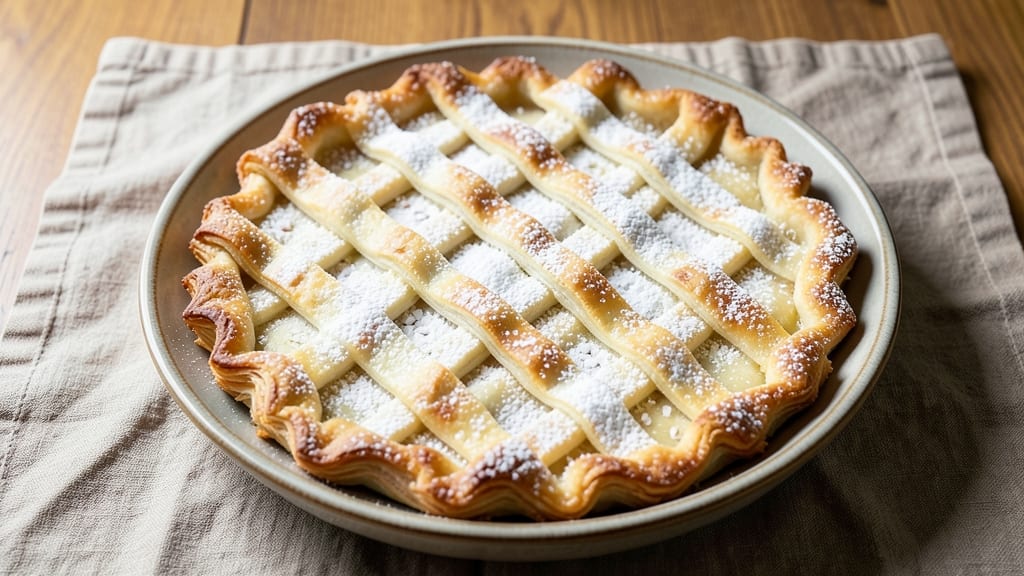
Joanna Gaines' pie crust recipe delivers the kind of flaky, golden perfection that transforms ordinary desserts into showstopping centerpieces. The secret lies in precise technique—cold butter, minimal handling, and proper chilling—that creates those signature layers.
I've perfected this method after years of baking, and it never fails to impress, even with beginner bakers.
This recipe starts with a simple yet foolproof combination of all-purpose flour, cold butter, and ice water, all mixed just until combined. The key to success is keeping everything cold—this prevents the butter from melting too soon and ensures those delicate, airy layers.
Once rolled out, the crust develops a tender yet sturdy texture, ready for sweet or savory fillings.
What you'll achieve is a pie crust with a crisp, golden-brown edge and a tender, flaky interior that melts in your mouth. The aroma alone—warm, buttery, and slightly toasted—will have everyone anticipating dessert. Whether you're baking a classic apple pie or a modern twist, this crust elevates every bite.
The beauty of this method is its versatility—use it for traditional pies, tart shells, or even as a base for savory dishes. Once you master Joanna’s technique, you’ll never settle for store-bought again. Let’s get started on creating your perfect crust.
Ingredients for joanna gaines pie crust
Cold butter, ice water, and precise mixing—here's what you need for Joanna's legendary flaky crust.
| Ingredient | Amount | Notes |
|---|---|---|
| All-Purpose Flour 🌾 | 2 ½ cups | Sifted for light texture |
| Unsalted Butter 🧈 | 1 cup | Cold, cubed, high-fat (80%+) |
| Ice Water ❄️ | ½ cup | Freshly chilled, not tap |
| Diamond Crystal Kosher Salt 🧂 | ½ tsp | Fine grain preferred |
| Granulated Sugar 🍚 | 1 tbsp | For golden crust edge |
| White Vinegar 🍶 | 1 tsp | Balances butter acidity |
| Cornstarch 🌾 | 1 tbsp | For tender, flaky layers |
| Large Egg Yolk 🥚 | 1 whole | Optional for shine |
The butter is non-negotiable—European-style like Plugrá or Land O'Lakes unsalted works best, but don't use margarine. Grab it from the freezer section 30 minutes before using so it's cold but pliable. The flour? King Arthur or Bob's Red Mill brands are my go-to—they're consistent and give great results. Sifting the flour is worth the extra minute (trust me on this). For the ice water, freeze cubes overnight and crush them—this keeps everything colder longer than tap water.
No butter? Lard or vegetable shortening can work in a pinch, but the flavor won't be the same. Short on cornstarch? Extra flour at the same amount gets you close, though the crust might be slightly tougher. The egg yolk is optional but adds that restaurant-quality shine—skip it if you're vegan. For the vinegar, apple cider vinegar works too, but white keeps things neutral. Prefer a sweeter crust? Add 1 extra tablespoon sugar—it caramelizes beautifully. And if you're making a savory pie, reduce the sugar to 0.5 tablespoon.
Keep everything cold—freezer-safe containers are your friend. The dough can be shaped into a disk, wrapped tightly in plastic, and stored for up to 48 hours in the fridge. For longer storage, freeze the wrapped dough for up to 3 months. When ready to use, thaw in the fridge overnight. Roll out on a floured surface or between parchment paper to prevent sticking. The key? Handle it as little as possible—this is where those flaky layers form.
Why You'll Love This Recipe
- No-Fuss Magic: This crust comes together in five minutes—just cold butter, flour, and ice water. No food processor, no fuss, just the satisfying crunch of a perfectly flaky layer that tastes like it took hours.
- Sweet Crunch Perfection: That touch of sugar? It’s not just for show—it caramelizes just enough to give every bite a subtle sweetness that pairs insanely well with both savory and sweet fillings. (Yes, even apple pie.)
- Bakes Like a Dream: Whether it’s a pie for Thanksgiving or a quick galette on a Tuesday, this crust holds its shape and stays crisp without turning into a greasy mess. No soggy bottoms here—just reliable, golden perfection.
- Budget-Friendly Staples: You’re already using pantry basics—flour, butter, salt—so it’s cheap to make and easy to store. Double the dough, freeze half, and you’ve got a backup crust ready for whenever cravings (or last-minute guests) strike.
Step-by-step instructions for Joanna Gaines' pie crust recipe
Here's how to craft that signature flaky, golden crust Joanna swears by—no shortcuts, just buttery perfection.
Prep Ingredients for Maximum Flakiness
Start by sifting the 2.5 cups all-purpose flour into a large bowl. This aerates the flour and prevents dense pockets in your crust. Cut the 1 cup unsalted butter into ¼-inch cubes and place them in the freezer for 10 minutes—you want them cold but not rock-hard, or they'll melt too quickly during mixing.
In a separate small bowl, whisk together the 0.5 cup ice water, 1 tsp white vinegar, 1 tbsp granulated sugar, 0.5 tsp diamond crystal kosher salt, and 1 tbsp cornstarch. The vinegar helps tenderize the gluten, while the sugar adds that signature golden edge. Keep this mixture chilled until ready to use—cold water is key for flaky layers.
Cut Butter into Flour Using the "Pastry Blender" Method
Add the frozen butter cubes to the flour mixture. Using a pastry cutter or two forks, cut the butter into the flour until you reach pea-sized crumbs—no larger than a small marble. This ensures even distribution of fat, which creates those signature flaky layers when baked. Work quickly but deliberately; you don't want to overmix and develop gluten.
Here's the thing—if your butter starts to melt before you reach pea-sized crumbs, pop the bowl back in the freezer for 5 minutes to reset. The goal is to keep everything cold until the dough comes together. You'll know you're on track when the mixture looks like coarse meal with tiny butter pieces peeking through.
Form the Dough and Chill for Optimal Texture
Sprinkle 1 whole large egg yolk (if using) over the flour-butter mixture. Drizzle the chilled water mixture gradually over the top, 1 tablespoon at a time, using a fork to gently stir until the dough just comes together. Avoid overmixing—just combine until it forms a shaggy mass. If it's too dry, add 1 more teaspoon of ice water; if too sticky, sprinkle in 1 tablespoon more flour.
Turn the dough out onto a lightly floured surface and gently shape it into a 1-inch thick disc. Wrap it tightly in plastic wrap and refrigerate for at least 2 hours, or up to 48 hours. This long chill time is non-negotiable—it relaxes the gluten and ensures maximum flakiness. Pro tip: Place a small weight on top of the dough to flatten it slightly during chilling.
Roll and Fit the Crust for a Perfect Seal
On a lightly floured surface, roll the chilled dough into a 12-inch circle, about ⅛-inch thick. If the dough cracks or shrinks, let it rest for 10 minutes before rolling again. Gently transfer the dough to a 9-inch pie dish, letting it drape over the edges. Here's where precision matters: trim the excess dough, leaving about ½-inch overhang. Fold the overhang under itself to create a neat, sealed edge.
Crimp the edges using your fingers or a fork, pressing firmly to create a tight seal. This prevents the filling from leaking out during baking. For extra shine, brush the crust with a light egg wash (1 egg yolk + 1 tablespoon water) if you skipped the yolk earlier. Poke the bottom of the crust with a fork in a few places to prevent bubbling. Bake immediately for best results.
Pro Tips For Making Joanna Gaines Pie Crust
- CHILL THE BUTTER FIRST: Joanna’s recipe calls for cold butter, but I learned the hard way—room-temperature butter makes a soggy crust. Pop the butter in the freezer for 20 minutes before cutting it into cubes. Even if you’re in a hurry, this step guarantees flaky layers instead of a greasy mess.
- WEIGH THE FLOUR: Scooping flour from the bag packs in extra air, and this crust is finicky about consistency. Use a kitchen scale for the 250g flour—level it off with a knife if needed. Trust me, the difference between a tender crust and a tough one often comes down to those few grams.
- WORK FAST WITH ICE WATER: The second you add ice water, the dough starts to break down. Keep a bowl of ice water nearby and add it one tablespoon at a time, mixing just until the dough holds together. Overmixing turns it gummy—stop when it’s shaggy, not smooth.
- REST IT TWICE: Joanna’s recipe says to rest the dough once, but I double that. After mixing, let it sit for 30 minutes covered in the fridge, then roll it out and rest another 15 minutes before baking. This prevents shrinking and ensures even browning—no more lopsided pies.
Perfect pairings for this dish
Sweet Filling Pairings
Joanna’s crust shines with classic apple pie—use Granny Smith and Honeycrisp apples for that perfect tart-sweet balance. Toss them with 1/3 cup brown sugar, 1 tbsp lemon juice, and 1 tsp cinnamon before filling.
For a peach pie, add 1/2 tsp cardamom to the filling for warmth, or try blackberry cobbler with a lattice top for rustic charm. 🍏
Savory Dish Pairings
This crust isn’t just for dessert! Use it as a base for savory galettes—try caramelized onion and goat cheese with a sprinkle of thyme. For a shrimp pie, layer cooked shrimp with cream cheese, chives, and a splash of white wine in the filling.
Even a quiche with Gruyère cheese and smoked bacon becomes irresistible with this crust’s flaky texture. 🧀
Beverage Pairings
A sweet tea with lemon slices complements apple or peach pies beautifully, while iced coffee cuts through the richness of chocolate cream pie. For savory pies, a dry Riesling or chilled lager like Peroni balances the flavors perfectly.
If you’re serving a pumpkin pie, a spiced chai latte adds warmth to the meal. 🍹
Garnish & Topping Ideas
For sweet pies, a light dusting of powdered sugar or flaky sea salt on top elevates the flavor. Try toasted pecans or candied walnuts for crunch. Savory pies benefit from fresh herbs like parsley or chives or a drizzle of balsamic glaze for depth.
A lemon glaze (zest + powdered sugar) adds brightness to citrus pies. ✨
Seasonal Variations
In summer, try berry pies with fresh strawberries or blueberries—add 1 tbsp cornstarch to thicken the juices.
For fall, pumpkin or sweet potato pie with maple syrup and gingersnap crumble on top is a must. Winter holiday pies like pecan or mincemeat pair well with spiced cider or mulled wine. 🍂
Make-Ahead & Serving Tips
Assemble pies a day ahead and refrigerate for deeper flavors. Bake just before serving for a warm, golden crust. For holiday gatherings, blind-bake the crust and freeze it—thaw overnight before adding filling. Serve with vanilla ice cream or whipped cream for a classic finish. 🎄
Nutrition facts
Frequently asked questions
Why does Joanna Gaines' pie crust need ice water instead of regular water?
Ice water keeps the butter cold longer, preventing it from melting too quickly during mixing. This creates those signature flaky layers by maintaining separate fat pockets in the dough. Regular water would warm up faster, leading to a tougher crust. Always use freshly chilled ice water for best results.
Can I make this crust ahead of time?
Shape the dough into a disk, wrap tightly in plastic, and refrigerate for up to 48 hours. For longer storage, freeze it for up to 3 months. Thaw in the fridge overnight before using. This long chilling time actually improves the texture by relaxing the gluten.
What's the best way to prevent a soggy bottom in my pie?
Pre-bake your crust (blind-bake) for 10-15 minutes at 375°F before adding filling. Sprinkle dried breadcrumbs or rice on the bottom, then cover with parchment paper and pie weights. This creates a barrier between the crust and filling. For fruit pies, pre-cook the filling slightly to reduce moisture.
Is there a shortcut for rolling out the dough?
Yes! Roll the dough between two sheets of parchment paper to prevent sticking. For extra thickness control, use a rolling pin with measurement markings. If the dough cracks, let it rest for 10 minutes before continuing. Alternatively, press it gently into your pie dish instead of rolling it out completely.
Can I use this crust for savory dishes too?
This versatile crust works perfectly for savory galettes, quiches, or even pot pies. Just reduce the sugar to ½ tablespoon and add ½ teaspoon of dried herbs like thyme or rosemary to the dough. The flaky texture pairs beautifully with rich fillings like cheese or meat.