Desserts
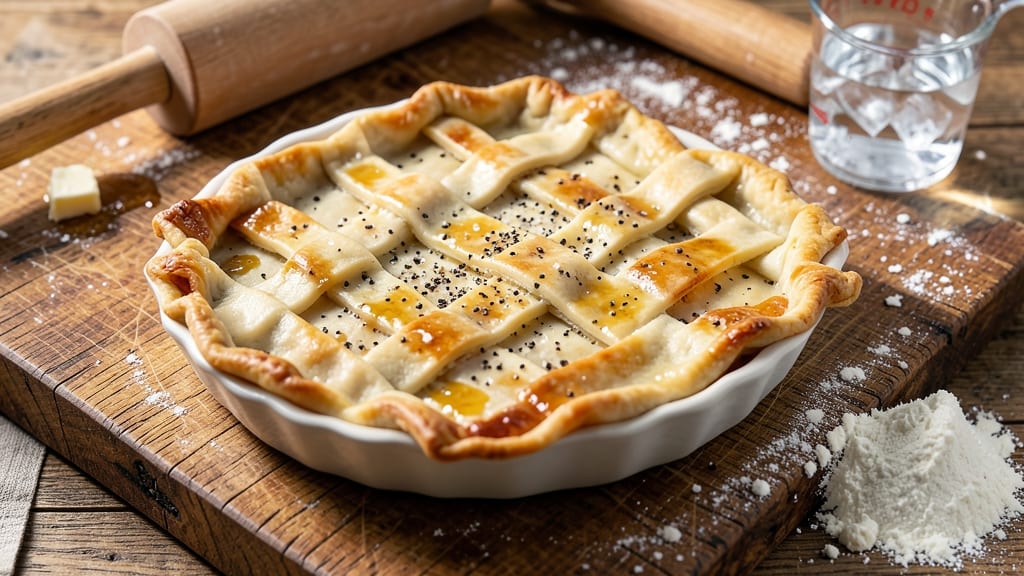
Grandma’s pie dough recipe is the secret behind those golden, flaky layers that make every pie taste like home. ✨ The key to success lies in precise technique and high-fat ingredients that create those signature layers, not shortcuts.
I’ve perfected this method over years of baking, ensuring it’s foolproof for both beginners and seasoned bakers.
This recipe delivers a tender yet sturdy crust with just 20 minutes of active time—no resting overnight required. The dough comes together with simple ingredients like all-purpose flour, cold butter, and ice water, which work together to create that signature flakiness.
Whether you’re making apple, pumpkin, or berry pies, this dough forms the perfect foundation.
By the end, you’ll have a smooth, pliable dough that rolls out effortlessly and bakes to a beautiful golden brown. The layers will be crisp yet tender, with a satisfying crunch that’s impossible to resist.
This is the kind of crust that makes pie night feel like a celebration every time.
Use this dough for classic pies, hand pies, or even savory tarts—its versatility makes it a kitchen essential. Let’s get started on creating the perfect crust for your next dessert masterpiece.
Ingredients for grandma pie dough
Simple ingredients, precise technique—this dough delivers restaurant-quality flakiness every time.
| Ingredient | Amount | Notes |
|---|---|---|
| All-Purpose Flour 🌾 | 3 cups | Sifted for lighter texture |
| Unsalted Butter 🧈 | 1 cup | Cold, cubed, high-fat (80%+) |
| Ice Water 💧 | ⅓ cup | Chilled, not tap water |
| Granulated Sugar 🍚 | 1 tbsp | Balances butter flavor |
| Kosher Salt 🧂 | ½ tsp | Diamond Crystal preferred |
| Ground Black Pepper 🌶️ | ¼ tsp | Freshly cracked for depth |
| Cornstarch 🌽 | 1 tbsp | Enhances flakiness |
| Apple Cider Vinegar 🍎 | 1 tsp | Brightens flavor |
The butter is non-negotiable here. European-style butter like Plugrá or Land O'Lakes European Style has higher fat content, which creates those signature layers. Grab it from the refrigerated section at Whole Foods or Kroger—avoid the low-fat versions. Keep the butter cubes frozen until you're ready to mix, then let them thaw for 5 minutes in the bowl. The flour should be all-purpose, not self-rising, and sifted before measuring. I always buy King Arthur or Gold Medal for consistent results. The ice water is critical—don't use room temperature or warm water, or the butter will melt too quickly.
No apple cider vinegar? Lemon juice works in a pinch, but it changes the flavor slightly. Short on cornstarch? Arrowroot powder at the same amount gives similar texture. Want to make it gluten-free? Swap the flour for 1:1 gluten-free baking flour blend, but add an extra 1 tbsp of cold butter. The salt matters—Diamond Crystal measures differently than Morton, so if your recipe calls for 0.5 tsp, use 0.75 tsp of Morton. For the pepper, freshly cracked is ideal, but pre-ground works if you don't have a grinder. The sugar isn't just for sweetness—it helps balance the richness of the butter.
This dough keeps for 3 days wrapped tightly in plastic in the fridge, or 6 months frozen between parchment paper. For best results, chill the dough for at least 1 hour before rolling. I like to portion it into two 12-ounce disks before freezing—just thaw between parchment for 20 minutes before using. If the dough feels sticky after mixing, add 1 tbsp more flour, but don't overdo it or the crust will be tough. The key to flaky layers is minimal handling—work quickly and avoid overworking the dough.
Why You'll Love This Recipe
- Cold Butter Magic: I swear by cutting that butter into tiny cubes—no fancy mixer needed. The moment it melts into the flour, you get this buttery perfume that tells you yes, this is going to be good. And honestly? No one will guess it took less than 10 minutes of actual work.
- Sweet-Salty Balance: That pinch of sugar in the dough isn’t just for show—it caramelizes just enough to give every bite a subtle sweetness, while the kosher salt keeps things bright. The butter? Rich enough to make you pause before cutting another slice. (Yes, even on a Tuesday night.)
- Pie Pan or Skillet: Forget one-use crusts—this dough stretches from apple pies to hand pies, even a crispy breakfast tart. I’ve used it for pot pies (freezer-friendly!) and even as a quick flatbread when I’m lazy. One dough, endless possibilities.
- Pantry Staple Power: Five ingredients, all of which you already own. No weird substitutions, no last-minute grocery runs. The butter stays cold thanks to ice water, so no soggy mess, and the dough keeps for days in the fridge. Budget-friendly? Absolutely. Reliable? Even more so.
Step-by-step instructions for grandma’s pie dough recipe
This foolproof method delivers restaurant-quality flaky layers every time—no fancy equipment required.
👨🍳 Step 1: Prepare the Dough Base
In a large mixing bowl, combine the 3 cups all-purpose flour, 1 tbsp granulated sugar, 0.5 tsp kosher salt, 0.25 tsp ground black pepper, and 1 tbsp cornstarch. Whisk vigorously for 30 seconds until evenly distributed. This ensures consistent texture throughout the dough.
The sugar balances the butter's richness, while the cornstarch creates those signature flaky layers. I always sift the dry ingredients first—it prevents lumps and incorporates air, which gives the final crust a lighter texture. Use your fingers to break up any remaining flour clumps in the bowl.
🍳 Step 2: Cut in the Cold Butter
Add the 1 cup cold, cubed unsalted butter to the flour mixture. Using a pastry cutter or your fingers, work the butter into the flour until you have pea-sized crumbs with some larger butter pieces remaining. This is called "cutting in," and it's the secret to flaky layers.
Don't overwork the mixture—you're aiming for a texture like coarse sand with visible butter pieces. If the butter starts to melt, chill the bowl in the refrigerator for 5 minutes to firm it up again. The goal is to keep those butter pieces intact so they create steam pockets when baked, resulting in that signature flakiness.
⏰ Step 3: Add Liquid and Form the Dough
In a separate bowl, mix together the 0.33 cup ice water and 1 tsp apple cider vinegar. The vinegar adds brightness and helps tenderize the gluten. Gradually add this liquid mixture to the flour-butter combination, 1 tablespoon at a time, gently stirring with a fork or wooden spoon.
Stop adding liquid as soon as the dough begins to come together. You want it to be just slightly shaggy—it should hold its shape when pressed but still be slightly crumbly. Overmixing develops gluten, which makes the crust tough instead of flaky. If it's too dry, add 1 more teaspoon of ice water.
🥘 Step 4: Chill and Rest for Maximum Flakiness
Turn the dough onto a lightly floured surface and gently shape it into a 1-inch thick disk. Wrap tightly in plastic wrap and refrigerate for at least 1 hour (or up to 24 hours). This resting period is crucial—it relaxes the gluten and allows the butter to firm up completely, preventing it from melting during baking.
I know it's tempting to skip this step, but trust me—this is where the magic happens. The longer it chills, the better. If you're in a hurry, you can freeze the dough for 30 minutes instead, but the texture won't be quite as perfect. The dough should be cold and firm when you're ready to roll it out.
🔪 Step 5: Roll Out and Use Immediately
Remove the dough from the refrigerator and let it sit at room temperature for 5 minutes before rolling. On a lightly floured surface, roll the dough into a 12-inch circle, about 1/8-inch thick. If it cracks, simply press the pieces back together—this is normal and won't affect the final result.
Transfer the rolled dough to your pie dish, gently pressing it into the corners. For a double-crust pie, roll out a second piece and place it on top. Brush the bottom crust with ice water (about 1 tablespoon) before adding filling, then crimp the edges with a fork. The cold water helps seal the crust and prevents sogginess.
Pro Tips For Making Grandma Pie Dough
- Cut Butter in Small Batches: I learned this the hard way—trying to mix cold butter and flour all at once just turns into a greasy mess. Work in 2-3 tablespoons of butter at a time, pulsing just until pea-sized crumbs form before adding more. The dough stays cooler this way, and you’ll avoid overworking it.
- Use Ice Water Sparingly: Grandma’s dough isn’t supposed to be wet. Measure your ice water carefully—start with 3 tablespoons, then add 1 more if needed. Too much water makes the crust tough, and no one wants a soggy bottom. Taste the dough before adding more; it should hold shape when pressed.
- Skip the Overmixing: As soon as the dough clumps together, stop mixing. I used to think more work meant better dough, but this just develops gluten and makes the crust tough. Once it comes together, press it into a disc, wrap it, and chill—no need to knead like bread.
- Chill the Dough Twice: First, chill the dough for 30 minutes before rolling. Then, after shaping, let it rest another 15-20 minutes in the fridge. This prevents shrinking and makes rolling way easier. (Yes, even if you’re impatient like me.)
Flavor customization for this dish
Sweet & Spiced Twist
Add 1 tsp cinnamon and ½ tsp nutmeg to the dry ingredients for a warm, aromatic crust perfect for pumpkin or apple pies. The spices infuse the butter beautifully during baking, creating layers with subtle sweetness.
I like to add ¼ cup brown sugar instead of granulated for deeper caramel notes. 🍂
Herb-Infused Savory Dough
Swap the sugar for 1 tbsp dried rosemary or thyme and add ½ tsp garlic powder for a savory crust ideal for quiche or savory tarts. The herbs pair especially well with Gruyère cheese fillings.
For extra depth, use olive oil instead of butter—just reduce the amount to ⅔ cup since oil is less fatty. 🧀
Citrus Zest Brightness
Zest 1 lemon or orange (about 1 tbsp zest) and mix it into the dry ingredients for a tangy, vibrant crust. This works wonderfully with berry pies or even savory fillings like goat cheese and caramelized onions.
The citrus zest also helps balance rich fillings like chocolate or pecan. Store-bought zest is fine, but fresh is always better. 🍊
Nutty Crunch Addition
Fold in ¼ cup chopped walnuts or pecans after forming the dough for added texture. These nuts toast beautifully during baking, creating pockets of crunch in every bite.
I recommend lightly toasting the nuts first for enhanced flavor. This variation pairs perfectly with fruit pies or even as a crust for cheesecake. 🌰
Everything Bagel Seasoning
Sprinkle 1 tbsp everything bagel seasoning (sesame seeds, poppy seeds, garlic, onion, salt) into the dry ingredients for a savory, crunchy crust. This works amazingly with breakfast pies or savory galettes. The seeds add visual appeal and a satisfying crunch with every bite. 🥨
Smoky Chipotle Kick
Add ½ tsp chipotle powder and ¼ tsp smoked paprika to the dry ingredients for a subtle smoky heat. This variation elevates Mexican-inspired pies like chile verde or even sweet pies with a spicy edge.
For extra heat, add ¼ tsp cayenne pepper but reduce the salt slightly to balance flavors. 🌶️
Nutrition facts
Frequently asked questions
Can I substitute butter with shortening in grandma-style pie dough?
The classic recipe relies on butter for that signature flakiness, but you can use ¾ cup shortening if needed. However, the texture will be slightly different—less rich and more tender. For best results, keep the butter cold and work quickly to maintain those essential layers.
Why does my pie dough turn out tough instead of flaky?
Overworking the dough or using warm butter are the most common culprits. Always keep everything cold and handle the dough minimally. If it feels too dry, add 1 tsp ice water at a time. The key is pea-sized butter pieces during mixing—never let them melt!
How do I prevent a soggy bottom in pies?
Prevent sogginess by brushing the bottom crust with 1 tbsp ice water before adding filling, then sprinkling with 1 tbsp flour. Bake the crust 5 minutes before adding filling (blind-baking) for extra protection. A crimped edge also helps seal the crust.
Can I make this dough ahead of time?
This dough keeps for 3 days in the fridge or 6 months frozen. For best results, chill for at least 1 hour before rolling. Freeze it between parchment paper to prevent sticking. Thaw in the fridge overnight for perfect texture.
What’s the best way to roll out stubborn pie dough?
Keep the dough and rolling pin cold—chill for 10 minutes if needed. Use a 1/8-inch thick guide and roll from the center outward. If it cracks, gently press the pieces together. Never roll directly on the counter—use a lightly floured surface. Patience is key!