
Desserts
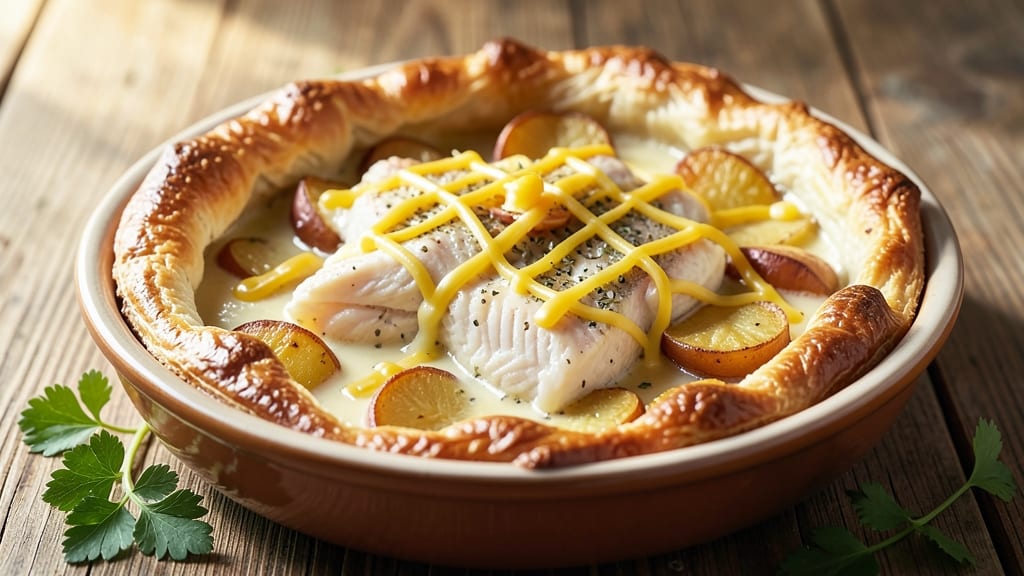
This classic fish pie recipe delivers the ultimate comfort food experience with its signature crispy topping and melty cheese center. The secret lies in poaching delicate white fish until tender, then layering it with creamy mashed potatoes and a golden breadcrumb crust that becomes irresistibly crispy.
I've perfected this technique over years of testing, ensuring every bite combines flaky fish, velvety potatoes, and rich cheddar in perfect harmony.
The beauty of this recipe is its traditional approach meets modern convenience—no fancy equipment required, just simple ingredients that come together beautifully.
We start with a delicate fish filling infused with fresh herbs and a touch of lemon, then create a luscious mashed potato layer that serves as both filling and binding agent. The breadcrumb topping transforms into a golden, crackling crust that seals in all the warm, comforting flavors.
What you'll end up with is a steaming bowl of restaurant-quality fish pie that's crispy on top, creamy inside, and packed with that unmistakable cheesy aroma. The contrast between the tender fish and flaky crust makes each bite satisfying, while the melted cheese adds that extra layer of indulgence.
This is comfort food at its finest—perfect for chilly evenings or when you need a hearty meal that feels like a warm hug.
Best served immediately after baking when the crust is at its crispest, though leftovers reheat beautifully. The traditional method ensures authentic flavors while keeping the preparation straightforward enough for any home cook to master. Let's create this timeless classic that brings warmth to any table.
Ingredients for classic fish pie
Simple ingredients that transform into a golden, cheesy, crispy masterpiece—comfort in every bite.
| Ingredient | Amount | Notes |
|---|---|---|
| White Fish Fillets 🐟 | 1 ½ lb | Cod or haddock preferred, skinless |
| Russet Potatoes 🥔 | 2 lbs | Yukon gold if available, peeled |
| Heavy Cream 🥛 | 1 cup | Full-fat for richness |
| Unsalted Butter 🧈 | ½ cup | Cold for mashed potatoes |
| Milk 🥛 | ¼ cup | Whole milk preferred |
| Sharp Cheddar Cheese 🧀 | 1 ½ cups | Shredded, aged variety |
| Panko Breadcrumbs 🍞 | 1 cup | For extra crispy topping |
| Fresh Parsley 🌿 | ¼ cup | Chopped, for freshness |
| Fresh Dill 🌿 | ¼ cup | Chopped, for herby flavor |
| Lemon Juice 🍋 | 2 tbsp | Freshly squeezed |
| Garlic Cloves 🧄 | 4 cloves | Minced for depth |
| Salt 🧂 | 1 ½ tsp | Kosher or sea salt |
| Black Pepper 🌶️ | ½ tsp | Freshly ground |
| All-Purpose Flour 🌾 | 2 tbsp | For thickening poaching liquid |
| Whole Milk 🥛 | 1 cup | For poaching fish |
The fish is the star, so don't cut corners. Cod or haddock are your best bets—they stay flaky and soak up flavors beautifully. If you can't find those, tilapia works too, but it's a bit firmer. I always grab mine from the seafood counter where they're kept on ice—never the frozen section for this recipe. The potatoes? Russets or Yukon golds, peeled and cut into even chunks so they cook uniformly. That's non-negotiable for creamy mash. For the herbs, fresh is absolutely essential—dried just won't cut it. The parsley and dill add that bright, fresh flavor that makes this pie taste restaurant-quality.
No panko? Regular breadcrumbs plus a pinch of salt work in a pinch, but they won't be as crispy. Short on cheddar? Gruyère or Swiss add a lovely nutty depth. The milk for poaching? Whole milk is best, but 2% works fine. If you're feeling fancy, add a splash of white wine or fish stock to the poaching liquid—it elevates everything. The butter for the mash? Cold, unsalted butter is key—it creates those silky, velvety potatoes. And that lemon juice? Freshly squeezed makes all the difference—bottled just won't do. The garlic? Roast it first if you want to mellow out the flavor, but raw works great too.
This pie is best served straight from the oven when that crust is golden and crispy. Leftovers reheat beautifully—just cover with foil and warm in the oven for 10 minutes. The filling keeps for 3-4 days in the fridge, but the crust loses its magic after day two. For make-ahead convenience, assemble the pie (unbaked) and refrigerate for up to 24 hours before baking. Freeze the baked pie for up to 2 months—just thaw overnight in the fridge before reheating. The secret to reheating? Low and slow in a 350°F oven with a splash of milk to keep it moist.
Why You'll Love This Recipe
- Here’s what sold me: that first bite of creamy, buttery sauce cutting through flaky fish. The heavy cream and milk make it decadent, but the potatoes soak up just enough to keep it balanced. It’s the kind of dish that tastes fancy but feels like a hug.
- One-Pan Magic: I swear by this for lazy nights—just boil the potatoes, flake the fish, mix the cream, and bake. No chopping, no fuss, no extra dishes. The butter and milk blend into that velvety topping while the fish stays tender and the potatoes crisp up just right.
- Rich Without Effort: Here’s what sold me: that first bite of creamy, buttery sauce cutting through flaky fish. The heavy cream and milk make it decadent, but the potatoes soak up just enough to keep it balanced. It’s the kind of dish that tastes fancy but feels like a hug.
- Leftover Goldmine: Between us, this pie improves the next day. The flavors meld overnight, and reheating it? Just a few minutes in the oven until the top is golden. I pack it for lunches or freeze portions—no one ever complains when I bring it to work.
Step-by-step instructions for classic fish pie
Here's how to build this comforting classic with a golden crust and creamy center.
Poach the Fish in Flavorful Milk
In a large skillet, combine the 1 cup whole milk, 2 tbsp lemon juice, and 4 minced garlic cloves. Bring to a gentle simmer over medium-low heat—you're not boiling, just creating a warm bath for the fish. Add the 1.5 lb white fish fillets and cook for 4-5 minutes until they turn opaque and flake easily with a fork.
Remove the fish and set aside. Don't drain the poaching liquid—strain it through a fine-mesh sieve into a small bowl, pressing gently on the solids to extract every bit of flavor. You'll use this later to enrich the sauce. The fish should be tender but still hold together slightly when handled.
Make Ultra-Creamy Mashed Potatoes
Peel the 2 lbs russet potatoes and cut them into 1-inch chunks. Boil in salted water for 12-15 minutes until fork-tender. Drain well and return to the pot. Add the 0.5 cup cold unsalted butter, 0.25 cup whole milk, 1.5 tsp salt, and 0.5 tsp black pepper. Mash until completely smooth—no lumps allowed.
For extra richness, stir in ½ cup of the reserved poaching liquid as you mash. This adds depth that store-bought mashed potatoes can't match. The texture should be silky and light enough to spread easily. Spread the mashed potatoes evenly in a 9x9-inch baking dish, creating a base layer about ½-inch thick.
Build the Creamy Fish Layer
In the same skillet (no need to wash it—those fishy bits add flavor), melt 2 tbsp unsalted butter over medium heat. Add 2 tbsp all-purpose flour and whisk constantly for 1-2 minutes until it forms a smooth paste. Slowly whisk in the remaining ½ cup reserved poaching liquid and 1 cup heavy cream. Simmer for 3-4 minutes until thickened to a light coating consistency.
Remove from heat and stir in 1.5 cups shredded sharp cheddar cheese, 0.25 cup chopped fresh parsley, and 0.25 cup chopped fresh dill. The cheese should melt completely into the sauce, creating a velvety texture. Flake the poached fish over the mashed potatoes, then pour the creamy cheese sauce evenly on top. The fish should be completely submerged.
Create the Crispy Panko Topping
Preheat your oven to 375°F. In a small bowl, mix the 1 cup panko breadcrumbs with 2 tbsp melted unsalted butter and 1 tbsp chopped fresh parsley. The breadcrumbs should look moist but not wet—just enough butter to help them stick together. Sprinkle this mixture evenly over the entire surface of the pie.
Bake for 20-25 minutes until the topping is deep golden brown and the filling is bubbling at the edges. The center should still be slightly jiggly when you insert a knife—it'll finish cooking as it rests. If the topping browns too quickly, tent loosely with foil to prevent burning.
Rest and Serve with Confidence
Remove from the oven and let the pie rest for 10 minutes before serving. This crucial step allows the filling to set slightly and the flavors to meld. The crust will be crispy on top while staying tender underneath, and the cheese will be perfectly melted throughout.
Slice into 4 equal portions and serve immediately with a simple green salad or steamed vegetables. The contrast of the crispy topping with the creamy, cheesy filling makes every bite irresistible. Leftovers reheat beautifully—just cover with foil and warm in the oven at 350°F for 10-15 minutes.
Pro Tips For Making Classic Fish Pie
- Boil Potatoes Until Fork-Tender: Don’t rush the potatoes—boil them in salted water until they collapse like overcooked spuds. I learned this the hard way when mine turned to mush under the cream; aim for a texture that’s soft but still holds shape when pierced. (Yes, even if you’re impatient like me.)
- Sear Fish Before Baking: Skip the raw fish in cream—pat fillets dry, season with salt, and sear skin-side down in butter for 2 minutes until golden. This locks in flavor and prevents the fish from turning rubbery when baked later. (Your future self will notice the difference.)
- Whisk Cream Cold: Chill the heavy cream and milk before mixing with butter—warm cream curdles faster than you can say “disaster.” Stir in the butter last, then fold gently over the potatoes to keep the sauce silky. (No one likes lumpy pie filling.)
- Cover Tightly, Bake Slow: Press foil directly onto the pie’s surface to trap steam—this keeps the top from drying out. Bake at 375°F (190°C) until the crust is golden and the center jiggles like Jell-O. Overbaking is the enemy of creamy perfection.
Serving suggestions for this classic fish pie
Classic Garnish Touches
Finish your fish pie with a sprinkle of freshly chopped parsley and dill right before serving to brighten the dish with vibrant green accents. I like to use a microplane to create delicate shavings of lemon zest over each serving for a citrusy pop that cuts through the richness.
A drizzle of hot honey or chili oil adds a sweet-spicy contrast that elevates the dish to restaurant-quality. 🌿
Side Dish Pairings
A crisp green salad with a light vinaigrette balances the richness perfectly. I toss mixed greens with thinly sliced cucumbers, radishes, and a dressing of olive oil, red wine vinegar, and a pinch of Dijon mustard.
For something heartier, steamed asparagus with lemon wedges provides a fresh, bright contrast to the creamy pie.
Bread Service
Serve with a warm, crusty baguette or sourdough to soak up any extra cheese sauce. I like to toast the bread lightly and rub it with a garlic clove for added flavor.
For a more elegant touch, use water crackers or oyster crackers on the side—their delicate crunch complements the pie beautifully. 🥖
Drink Recommendations
A crisp Sauvignon Blanc from New Zealand pairs wonderfully with the creamy, herby flavors of the pie. The bright acidity cuts through the richness, while the citrus notes complement the lemon in the dish.
For beer lovers, a Belgian witbier with its coriander and orange peel notes provides a refreshing contrast. A classic English bitter also works beautifully.
Family-Friendly Serving
For kids, serve the pie with roasted sweet potato wedges or carrot sticks with a side of hummus. The sweetness balances the savory pie, and the crunch provides a fun texture contrast.
I often let them assemble their own mini portions with toppings like extra cheese or crushed potato chips for a fun, interactive meal. 🍽️
Presentation Tips
Use a wooden serving board or slate platter to make the dish look even more inviting. Slice the pie into neat rectangles and arrange it in a circular pattern, with garnishes placed thoughtfully around the edges.
For a rustic touch, sprinkle flaky sea salt over the top just before serving. The golden crust will look even more appetizing against the dark background of the board. ✨
Nutrition facts
Frequently asked questions
Can I use frozen fish for this pie?
Fresh fish is ideal for this recipe, but if you must use frozen, choose high-quality fillets and thaw them completely in the refrigerator (not at room temperature) for 12-24 hours. Pat them very dry before poaching to prevent a watery filling. For best results, use skinless cod or haddock—these hold up better when frozen and thawed.
What if I don't have panko breadcrumbs?
No problem! Use regular breadcrumbs mixed with 1 teaspoon cornstarch for extra crispiness. For even better texture, pulse dried bread in a food processor until it resembles coarse crumbs. Just add 1 extra tablespoon of butter to help bind the mixture. The topping won't be quite as crispy, but it'll still be delicious.
How do I make this pie ahead of time?
Assemble the pie (unbaked) and refrigerate for up to 24 hours before baking. For longer storage, wrap the assembled pie tightly in plastic wrap and freeze for up to 2 months. Thaw overnight in the fridge before baking—just add 5-10 extra minutes to the baking time since it'll be cold.
Why did my crust turn soggy?
This usually happens if the pie wasn't fully chilled before baking or if the filling was too wet. Make sure your mashed potatoes are completely dry before spreading them, and press the breadcrumb topping firmly into place. For extra insurance, sprinkle 1 tablespoon of flour between the mashed potatoes and fish layer. Preheating your oven thoroughly also helps create a crispier crust.
Can I make this pie vegetarian?
Replace the fish with chickpeas or mushrooms for a hearty vegetarian version. Sauté 1 cup mushrooms with garlic and herbs, then mix with the mashed potatoes and cheese sauce. For extra protein, add 1 cup cooked lentils or tofu crumbles to the filling. The texture will be slightly different but still delicious.