Desserts
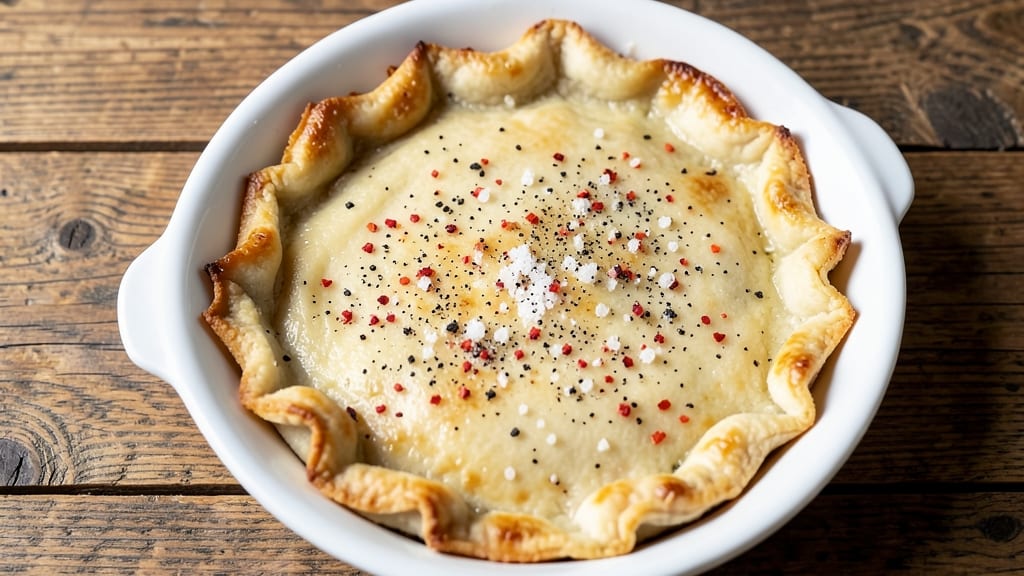
Betty Crocker's buttermilk pie crust recipe delivers that signature golden, flaky perfection without the fuss of traditional shortening. This method transforms simple pantry staples into a sturdy yet tender crust that holds up to both classic and modern pie fillings.
The secret lies in the buttermilk's acidity, which creates steam during baking for those iconic flakes—no fancy techniques required.
What sets this crust apart is its foolproof approach: just mix, chill, and roll with minimal handling. Unlike traditional pie crusts that require precise measurements of cold butter, this version uses buttermilk for a lighter texture while maintaining strength.
It's the kind of crust that bakes up evenly every time, with edges that stay crispy even when filled with juicy fruit or creamy custards.
The beauty of this recipe is its versatility—use it for apple pies, peach cobblers, or even savory quiches. The buttermilk base prevents soggy bottoms while delivering that classic flakiness, making it ideal for both beginners and experienced bakers. Once you try it, you'll never go back to store-bought crusts again.
Ready in just 30 minutes of prep plus chilling time, this crust is perfect for weekend baking projects or last-minute dessert needs. The instructions walk you through every step, from mixing to rolling and blind-baking, ensuring professional results every time.
Let's get started on creating the perfect foundation for your next pie!
Ingredients for betty crocker buttermilk pie crust
Four simple staples transform into golden, flaky pie crust perfection with minimal effort.
| Ingredient | Amount | Notes |
|---|---|---|
| All-Purpose Flour 🌾 | 2 ½ cups | Sifted for best texture |
| Buttermilk 🥛 | 1 cup | Full-fat for richness |
| Unsalted Butter 🧈 | ½ cup | Cold, cubed for flakiness |
| Granulated Sugar 🍚 | 1 tbsp | Helps with browning |
| Diamond Crystal Kosher Salt 🧂 | 1 tsp | Fine grain preferred |
| Ground Black Pepper 🌶️ | ¼ tsp | Freshly ground preferred |
| Ice Water 💧 | ¼ cup | Chilled for elasticity |
| Extra-Virgin Olive Oil 🫒 | 1 tbsp | For rolling surface |
The buttermilk is non-negotiable here—it's what creates those signature flakes. Full-fat buttermilk gives the best texture, so don't grab the low-fat version. For the butter, cold cubes are key; take it straight from the fridge and cut it into chunks while it's still firm. Whole Foods or Trader Joe's usually have the best quality all-purpose flour for pie crusts—look for the soft white kind, not bread flour. The flour should be sifted before measuring to avoid dense crust. I always double-check the expiration date on my flour because old flour loses its lift.
No buttermilk? Mix 1 cup milk with 1 tbsp vinegar or lemon juice and let it sit for 5 minutes. The butter can be substituted with lard or shortening if you're avoiding dairy, but you'll lose some of that buttermilk tang. For a more rustic crust, swap the olive oil for rendered duck fat. The sugar helps with browning, but if you're making a savory pie, you can omit it entirely. The pepper is subtle but adds depth—don't skip it. If you're prepping ahead, you can freeze the dough for up to 3 months wrapped tightly in plastic.
This dough needs to chill for at least 1 hour before rolling to prevent shrinking. Roll it between two sheets of parchment paper for easy handling. The crust keeps well in the fridge for 2 days wrapped in plastic. For best results, blind-bake the crust for 15 minutes before adding your filling—this prevents a soggy bottom. Leftovers can be reheated in the oven for 10-12 minutes at 375°F to restore crispiness.
Why You'll Love This Recipe
- No-Fuss Mixing: The buttermilk and cold butter blend together like magic—no food processor, no overworking. Honestly, I just press the butter into the flour with my fingers and call it a day. That’s the kind of recipe that lets you actually enjoy making it.
- Tangy Butter Crisp: The buttermilk adds this subtle tang that makes every bite feel special—not too sweet, not too bland. Between us, that sugar in the dough caramelizes just right when baked, giving you that golden, flaky edge with a hint of warmth.
- Pie or Pastry Fix: Use it for pies, of course, but I’ve also turned it into hand pies and even a quick galette. It’s my go-to when I need something reliable—no fussing with pie weights or tricky rolling. (Yes, even on a Tuesday night.)
- Pantry Staple Magic: All the ingredients are things you already have—no weird substitutions or last-minute grocery runs. And because it keeps well in the fridge, I make a double batch and use it all week. Budget-friendly? Absolutely. Time-saving? Even better.
Step-by-step instructions for Betty Crocker buttermilk pie crust recipe
Here's how to craft a golden, flaky crust that rivals Betty Crocker's classic—no store-bought shortcuts needed.
Prepare the Cold Butter and Dry Ingredients
Cut the 0.5 cup unsalted butter into ¼-inch cubes and place them on a chilled plate. Pop them in the freezer for 10 minutes to firm up—this ensures maximum flakiness. In a large bowl, whisk together the 2.5 cups all-purpose flour, 1 tbsp granulated sugar, 1 tsp diamond crystal kosher salt, and 0.25 tsp ground black pepper. Sift the mixture once to aerate the flour and remove any lumps.
I like to use a fork to break up any flour clumps before sifting. The sugar and salt dissolve evenly in the butter, so no need to pre-mix them separately. Keep this dry mixture ready—it's your base for flaky perfection.
Cut in the Butter Until Pea-Sized
Add the chilled butter cubes to the dry ingredients and use a pastry cutter or your fingers to work them into the flour. Cut until the mixture resembles coarse crumbs with pea-sized butter pieces—about 3-4 minutes. You want just enough surface area for the butter to melt during baking, but not so much that the crust turns tough.
If the butter starts to soften too quickly, place the bowl in the freezer for 1-2 minutes to firm it up again. The goal is to keep those butter chunks intact until they hit the oven. Press a bit of dough between your fingers—if it holds together, you're golden.
Add Buttermilk and Ice Water for Elasticity
Pour in the 1 cup buttermilk and 0.25 cup ice water all at once. Use a fork to gently stir until the dough just comes together—do not overmix. The mixture should look shaggy but hold when pressed. If it's too dry, add 1 teaspoon ice water; if too wet, sprinkle in 1 tablespoon flour. The dough should be pliable but not sticky.
Here's the thing—ice water is key. It keeps the gluten from developing too much, which prevents a tough crust. Wrap the dough in plastic wrap and refrigerate for at least 1 hour (or up to 24 hours). This resting period relaxes the gluten and lets the butter redistribute.
Roll and Transfer to the Pie Dish
On a lightly floured surface, roll the chilled dough into a 12-inch circle, about ⅛-inch thick. Brush the bottom crust with 1 tbsp extra-virgin olive oil to help it brown evenly. Transfer it to a 9-inch pie dish, pressing gently to fit. Trim the edges, leaving a ½-inch overhang. Fold the overhang under itself to create a neat rim.
Preheat your oven to 375°F. Line the crust with parchment paper, fill it with pie weights or dried beans, and bake for 15 minutes. Remove the weights and bake for another 10 minutes until the crust is golden brown and set. Prick the bottom with a fork to prevent puffing.
Blind-Bake for a Sturdy Foundation
For a fully baked crust, increase the oven temperature to 400°F and bake for 10-12 minutes until the edges are deep golden brown. Let the crust cool completely before adding your filling—this prevents a soggy bottom. The crust should hold its shape and have a crisp, flaky texture that's ready for whatever pie filling you're dreaming up.
Real talk: if the crust puffs up, don't panic. Just bake it until it settles and crisps again. The key is patience—rushing leads to a tough, dense crust. Now you're ready to fill and bake your masterpiece!
Pro Tips For Making Betty Crocker Buttermilk Pie Crust
- CHILL THE BUTTERMILK: I learned this the hard way—using buttermilk straight from the fridge makes the dough tough. Let it sit at room temperature for 10-15 minutes first. The fat melts just enough to work with the butter smoothly, and the crust turns out flakier without fighting you.
- WEIGH THE FLOUR: This isn’t the prettiest method, but it’s the tastiest. Scoop that flour straight from the bag into your measuring cup, then level it with a knife—don’t pack it down. The Betty Crocker recipe relies on precise ratios, and overcompressing the flour makes the crust dense. (Yes, even if you’re impatient like me.)
- WORK FAST WITH COLD BUTTER: Cut the butter into the flour mixture in small batches—no more than 1 tablespoon at a time—then toss it with a fork until it’s pea-sized. If you try to mix it all at once, the butter warms up and turns to grease instead of creating those perfect flaky layers. Keep your hands and bowl cold by working in a cool spot if your kitchen’s warm.
- PRESS THE CRUST GENTLY: Don’t manhandle it. After rolling, lift the dough onto your pie dish and press it into the bottom and sides with your fingertips—just enough to shape it, not to stretch it. If you force it, the gluten tightens up and the crust won’t crisp properly. A light touch keeps it tender and ensures it browns evenly. (Your future self will thank you.)
Best sauces and condiments for these flavors
Classic Vanilla Bean Sauce
This buttermilk crust pairs beautifully with a homemade vanilla bean sauce that complements its flaky texture. Simmer 2 cups heavy cream, ½ cup granulated sugar, and 1 split vanilla bean for 15 minutes, then strain and chill.
Drizzle over warm pies like apple or berry for a luxurious finish. The buttermilk crust's subtle tang balances the sauce's sweetness perfectly. 💛
Spiced Caramel Drizzle
For a fall-inspired twist, make a spiced caramel by melting 1 cup brown sugar with ½ cup butter, then adding 1 tsp cinnamon and ½ tsp smoked paprika.
Drizzle over pecan or pumpkin pies for a rich, aromatic contrast. The crust's golden flakes catch the caramel beautifully, creating a textural masterpiece.
Lemon Curd Filling
A bright lemon curd cuts through the richness of this crust, especially in key lime or blueberry pies. Whisk 3 egg yolks, ½ cup sugar, ½ cup lemon juice, and ¼ cup butter over a double boiler until thickened.
The buttermilk's acidity enhances the lemon's zing, making every bite refreshing. Serve with whipped cream for a restaurant-worthy dessert. ✨
Honey Butter Glaze
For a quick, foolproof glaze, mix ½ cup melted butter, ¼ cup honey, and 1 tsp vanilla extract. Brush over peach or cherry pies just before serving.
The crust's flaky layers soak up the glaze beautifully, adding a glossy finish without overpowering the fruit. This glaze works in 5 minutes—perfect for last-minute desserts.
Salted Chocolate Ganache
Elevate chocolate cream or mousse pies with a salted chocolate ganache. Heat 1 cup heavy cream with 8 oz dark chocolate and ½ tsp flaky sea salt, then cool slightly before pouring.
The crust's buttery richness pairs perfectly with the ganache's depth, creating a decadent contrast. Drizzle over warm pies for an elegant touch. 🍫
Cream Cheese Frosting
A classic cream cheese frosting transforms this crust into a cheesecake-style pie. Beat 8 oz cream cheese, ½ cup butter, 3 cups powdered sugar, and 1 tsp vanilla until smooth.
Spread over pumpkin or sweet potato pies for a creamy, tangy finish. The buttermilk crust's sturdy structure holds up beautifully under the frosting's weight. 🧀
Nutrition facts
Frequently asked questions
Why does this buttermilk crust turn out flakier than traditional recipes?
The buttermilk's acidity creates steam during baking, which separates the layers of dough for that signature flakiness. Plus, we're using cold butter cubes that melt slowly—this creates air pockets that expand into delicate flakes. The ice water also helps prevent gluten development, keeping the texture tender.
Can I make this crust ahead of time?
Wrap the dough tightly in plastic and refrigerate for up to 2 days or freeze for 3 months. For best results, thaw overnight in the fridge before using. The chilling time actually improves the texture by allowing the butter to redistribute evenly.
What's the best way to prevent a soggy bottom?
Always blind-bake the crust for 15-25 minutes at 375°F before adding filling. Prick the bottom with a fork to prevent puffing, and let it cool completely before filling. For extra insurance, sprinkle a thin layer of crushed cornflakes or breadcrumbs on the bottom before adding fruit fillings.
How do I fix if my dough gets too sticky?
If the dough feels too wet, sprinkle in 1 tablespoon flour at a time until it becomes manageable. Never overwork the dough—just gently knead until it holds together. The key is working quickly with cold ingredients. If it's still too sticky after adding flour, chill the dough for 15 minutes before rolling.
Can I use this crust for savory pies too?
Yes! Omit the sugar and add 1 teaspoon dried herbs (like thyme or rosemary) for savory options. This crust works beautifully with spinach and cheese pies, pot pies, or even quiches. The buttermilk adds richness that pairs well with savory fillings while maintaining that perfect flaky texture.